

The US economy looks rosy – if you are looking at the fantabulous promises of the Stock Market. The reality is very different. The scale of the $40 trillion National Debt is a problem that will not just go away and puts substantial limits on how the US can respond to any new economic or conflict crisis without risking massive inflation. Underlying the scale of the debt is not just poor spending decisions, but tax cuts that have accelerated the debt crisis.
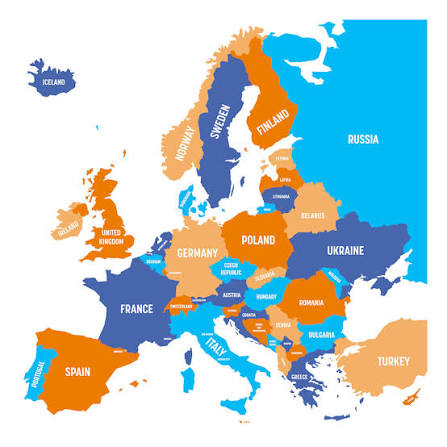
Europe is a diverse, culturally rich and fascinating continent but increasingly looks an economic basket case facing economic and demographic decline. Its suffering economic PTSD after successive shocks in Banking, Sovereign Debt and now Energy. Now it’s being squeezed between an unreliable USA and China’s proxy, Russia. Maybe that’s the challenge it needs?

Fifty years of political dither leaves the UK looking broken. Faced with massive constrains from taxation and bond markets, there are limited choices from tinkering with spending while trying to look good enough ahead of the next election. Britain needs something more radical – and a complete reform of the system and process.

In the past 15 years the US economy has left Europe in the rear-view mirror. While America booms, Europe appears to be flatlining. The question is why? Americans say it’s entirely Europe’s fault: bad policies, failing politics, and lack of unity. However, the consequences of the (as yet unresolved) European Sovereign debt crisis triggered by the Global Financial Crisis of 2008 was the speedbump.
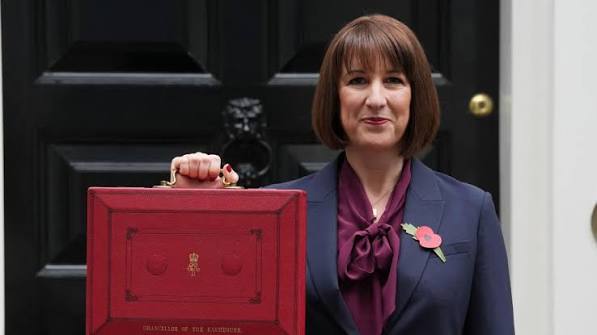
Andy Burnham promises the UK a national reboot. Critical to his success will be his choice of chancellor, and the relationship with the financial markets. Rachel Reeves is closely associated with the failed Starmer premiership – but she knows how to do the job and has credibility with the markets. With new leadership she could prove a much better choice than other contenders.

The success and depth of US capital markets to finance entrepreneurs and successive tech revolutions has been extraordinary – fuelling the exceptionalism of the US economy. In contrast, the UK is more risk adverse towards start-up opportunities. That’s largely cultural, a reflection of the more mature, later-stage British Economy. What will happen when the US economy is also past its top, and following the UK into maturity?

Trump has been sending “for your immediate attention”, letters to former friends and allies hiking tariffs and threatening retribution if they retaliate. Yawn. Who cares? The Global economy gets it. America is no longer America. Global trade is shifting. Excellent – that spells opportunity!

What an interesting time we live in. Uncertainty, instability, markets hitting new highs as fears plumb new depths. Nothing to worry about. The global economy and markers are changing. Just how we won’t know till we can see it in the rear-view mirror.

Markets are struggling with just how much Trump’s tariffs might derail global trade and growth. In normal times the solution would be patient negotiation to avoid destructive trade wars. These are not normal times – we are dealing with America First MAGA zealots.

We live in interesting times. Markets are see-sawing on the strum et drang of events. It’s critical to cut through the noise, and figure where this all might be going. Once events are in motion, they become increasingly difficult to control. Change is in the air.

Disclaimer
This publication is protected by US, UK and International Copyright laws. All rights reserved. No License is granted except for the subscriber’s personal use. Rights will be pursued.
The Morning Porridge is not investment advice. It is market commentary based on discussions and information gathered from multiple sources believed to be reliable. No guarantee is given for its accuracy or completeness. It is not an offer to buy, sell or solicit investments or securities. The author may have a position in companies or institutions discussed in this commentary.

If you want to know what’s really happening and why.. welcome to the Porridge.
Financial Market Insights for Thinkers!
© Morning Porridge | All Rights Reserved | Website Design & Support by Orange Pixel