

Democracy wins. Trump was rejected by American voters, but his legacy will remain. The damage to done to the economy, the institutions of state, the constitution, and global power will shape America and geopolitics for decades. It’s unclear how the rest of Trump’s lame duck presidency will play out, but Corruption and the nexus of Wealth and Power will come under massively heightened scrutiny. Should the next US administration nationalise SpaceX?
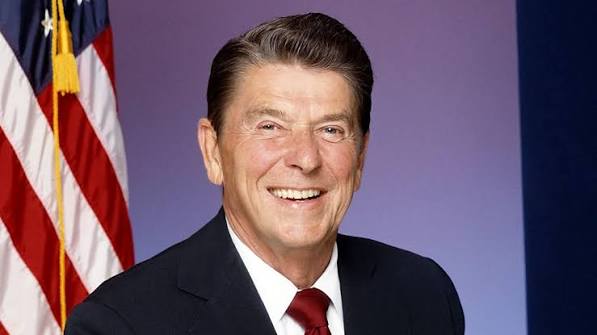
Today’s US Midterms are a Referendum on the Presidency – and will be consequential for global markets. The result will depend entirely how many Republicans are still minded to Vote for MAGA. They might want to think back to an earlier age, the Republican President Ronald Reagan, and ask what the current incumbent and Reagan have in common, if anything.

Nobody wants to pay taxes or spend money on defence. But both are inevitable. Investment in security has the potential for significant returns for investors and can drive considerable economic gains for nations that spend wisely. History is written by the victors, but the costs of underfunded defence are very clear – ask the losers how well scrimping on Defence worked for them.

Global conflict risks are rising. The wars in Ukraine and the Gulf are the openers. However, a global conflict for hegemonic power between China and the USA is more likely to take the form of “Grey” conflict than outright “kinetics” between them – triggering further inflation threats, political and economic disruption, and supply chain destabilisation driven by ongoing cyber-attacks, fake news and regional conflict. The resilience of nations will be the critical factor – and that means being prepared to defend themselves.

Elon Musk is the richest man in history. With great wealth comes great power and influence. How wisely is Musk wielding that power? Switching off Starlink in Ukraine, threatening Europe with “devastating consequences” on satellite broadband, and whatever deals he doing on the regulation of his companies all beg closer examination. He raises questions about his accountability, and whose interests he serves.

Should Donald Trump have won the Nobel Prize in Economics? His groundbreaking work on instability and unpredictability, and how naked greed and connections can drive economic growth and prosperity exposes the fundamental weakness of liberal, woke societies. Should economies be driven by innovation and productivity, or by political connections and favour?

Defence has become the hot new sector, but investors need to understand the geopolitical reality, military requirements, the need for adaptation, and how the battlespace is changing. Defence needs to connect capital to warfighting capabilities that can be deployed now, adapted swiftly, and manufactured in unprecedented volume. The most effective way for the West to win is to demonstrate the will and ability to do so – which is the most likely way to deter our enemies from attacking.

Robert Hillman is a highly experienced City Quant, with a legendary record. He’s also a great mate of Bill! He’s come up with a great analysis of the UK’s Triple Lock Pension policy – looking at it as an option... It's well worth reading if you want to figure out smart policy vs political games.
Yesterday UK premier Andy Burnham made clear the 15-year-old promise to keep rising the UK basic pension is going to change. The government will reinvest the cash it saves in a new national care service.

What should markets be thinking about Andy Burnham’s conference speech yesterday? Gilts look to be giving him the benefit of doubt. Good in parts? He spoke well, proposed some positive policies and ideas, and gave an impression of a confident, positive politician set to deliver. The real issue isn’t just can Labour hold the nation steady and reverse years of negativity and low growth, but can any of the other parties do any better given the constrained state of the national finances?

Markets are worrying about a short-term interest-rate/inflation triggered correction, but something deeper may be approaching – a convergence between market, economic and political failures. It may be time to hedge against consensus expectations of “it will all be fine” and focus on factors like national resilience in terms of what nations thrive and which won’t!

Disclaimer
This publication is protected by US, UK and International Copyright laws. All rights reserved. No License is granted except for the subscriber’s personal use. Rights will be pursued.
The Morning Porridge is not investment advice. It is market commentary based on discussions and information gathered from multiple sources believed to be reliable. No guarantee is given for its accuracy or completeness. It is not an offer to buy, sell or solicit investments or securities. The author may have a position in companies or institutions discussed in this commentary.

If you want to know what’s really happening and why.. welcome to the Porridge.
Financial Market Insights for Thinkers!
© Morning Porridge | All Rights Reserved | Website Design & Support by Orange Pixel