

The French Bond market threatens to become a crisis as yields widen and its’ politics look increasingly a zero-sum game. While we’ve been watching the antics in DC and the price of oil due to Iran, we’ve missed how swiftly a new European debt crisis has been brewing. If it deepens, it won’t be a simple repeat of 2010-12, which nearly crushed banks and triggered defaults. Europe’s second largest economy in crisis, and dispute with Frankfurt, could trigger even more massive instabilities.

Markets are worrying about a short-term interest-rate/inflation triggered correction, but something deeper may be approaching – a convergence between market, economic and political failures. It may be time to hedge against consensus expectations of “it will all be fine” and focus on factors like national resilience in terms of what nations thrive and which won’t!

In Bond Markets there is truth – and they are flashing warning signals a systemic market reset is on the cards. As rates rise, the relative prices of all financial assets will be impacted as the price of money normalises. It’s a period of transition with a high chance of an unstable reset, which is magnified by QE setting a false expectation of long-term low rates, and the growing realisation financial systems will suffer from political incompetence.

Kevin Warsh established a degree of credibility for the Fed and himself yesterday by hiking rates. The Fed is focused on fighting inflation – the best long-term option, but a short-term painful outcome for American voters. The coming electoral cycles in the USA, Europe and the UK will all highlight the power of money that’s driving the narrative. Big money from Crypto and Tech is driving political decisions. The electorate will suffer the consequences of policies set to elicit donations rather than foster long-term growth and economic security.

Global Bond yields remain… fragile. As the US breaches 5% 10-year yields, the UK is now slowing QT which should be market positive. It’s high time the Bank of England and the UK Treasury (which famously pretend the other doesn’t exist) cooperate on liability management to address the UK’s debt pile – which is actually in much better shape than the right-wing press would have you believe.

Keep your eyes on JD Vance. He is headed for a coronation. What will that mean for America and global markets? He’s not stupid, but many suspect hes is not his own man – he owes his successes to billionaire Mega-mind Peter Theil. Vance will lead the attack on the Progressive, Weirdo, Democratic Socialists, but even if he wins… what kind of market and economy might he inherit?

The coming year is likely to be shaped by higher inflation from energy and El Nino, rising interest rates, “policy-mistake” risks, and revaluation risks as capital markets adapt to rate normalisation. Looming over it all be political noise. Understanding where we are, how we got here and what happens next will be critical.

One rule of finance is “follow the money”. The ructions and rising doubts on the sustainability of the US Treasury Market and dollar in the evolving post-US era economy means it may be time for investment transition strategies – where will the future lie? What aspects of US and other Western Democracies will thrive, and how much more investible will China and, perhaps, India become? What are the risks?
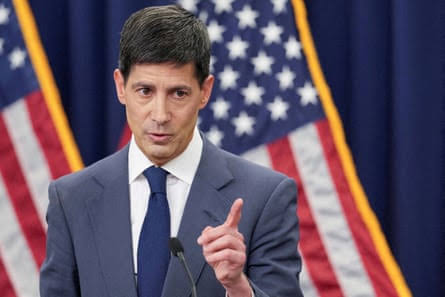
This week is going to be… “interesting”. Confidence in the US financial markets and system is under pressure. The US owes more than $40 trillion. Bessent’s intervention in bond markets has backfired, the market is waiting to judge new Fed Head Kevin Warsh, and Trump has kicked off a new trade war with Canada. The USA’s Virtuous Sovereign Trinity of the Dollar, the Treasury Market, and Political Competency looks well-wobbly. Meanwhile, the latest documentary on Boeing shows how the myth of US exceptionalism is under pressure.
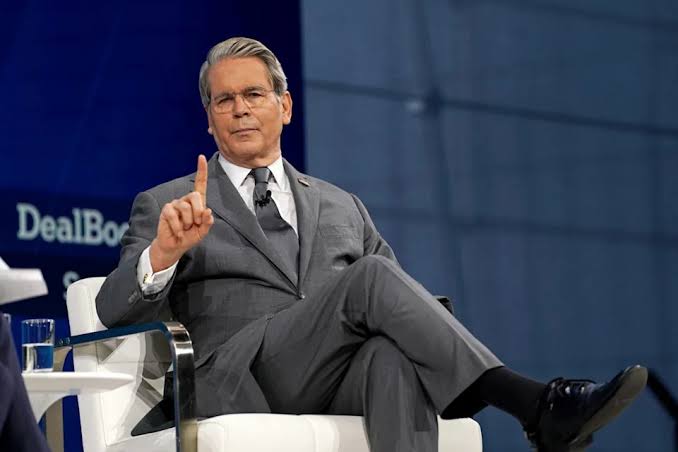
With US debt about the breach $40 trillion, Scotty Bessent intervened to stem rising long-end yields. The market loved it, but the reality is that distorting interest rates has all kinds of consequences. That includes the risk an economy focused entirely on financial returns isn’t spotting or addressing real world threats to jobs, growth, conflict, the environment and climate. Maybe it’s time to let rates normalise?

Disclaimer
This publication is protected by US, UK and International Copyright laws. All rights reserved. No License is granted except for the subscriber’s personal use. Rights will be pursued.
The Morning Porridge is not investment advice. It is market commentary based on discussions and information gathered from multiple sources believed to be reliable. No guarantee is given for its accuracy or completeness. It is not an offer to buy, sell or solicit investments or securities. The author may have a position in companies or institutions discussed in this commentary.

If you want to know what’s really happening and why.. welcome to the Porridge.
Financial Market Insights for Thinkers!
© Morning Porridge | All Rights Reserved | Website Design & Support by Orange Pixel