

The media has us all convinced Western Economies are on the verge of a bond meltdown. However, what is really happening is The Great Bond Market Normalisation – a return to real interest rates that reflect the global economy and where nations are. The big risk is that repricing government bonds will crash currently absurd valuations across other financial assets – precipitating a wider market crisis.
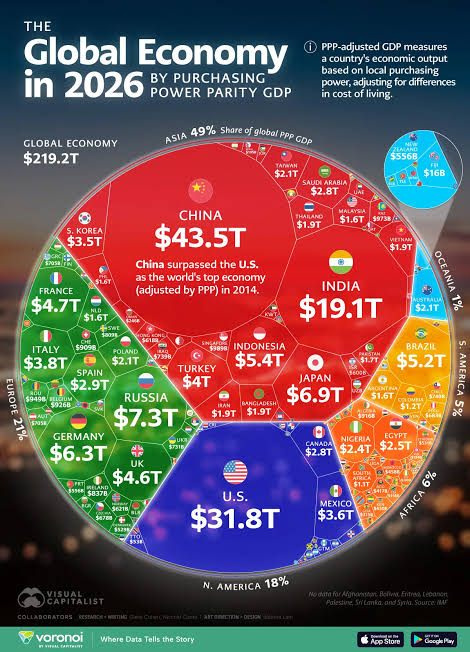
Is a financial crisis coming our way? US Debt, Inflation, Trade, Energy, AI concerns and the rest pushed the revealed wisdom of new Fed Head Kevin Warsh out the limelight last week. Bond yields continue to rise. There are now growing fears of slowdown, or worse. Cheer up! Not the end of the World. But if a financial crisis is coming it will reflect lessons from the past on liquidity, but to solve it we also must acknowledge how much the world has changed since the last one in 2008. This time it will be different!

This week is going to be… “interesting”. Confidence in the US financial markets and system is under pressure. The US owes more than $40 trillion. Bessent’s intervention in bond markets has backfired, the market is waiting to judge new Fed Head Kevin Warsh, and Trump has kicked off a new trade war with Canada. The USA’s Virtuous Sovereign Trinity of the Dollar, the Treasury Market, and Political Competency looks well-wobbly. Meanwhile, the latest documentary on Boeing shows how the myth of US exceptionalism is under pressure.

With US debt about the breach $40 trillion, Scotty Bessent intervened to stem rising long-end yields. The market loved it, but the reality is that distorting interest rates has all kinds of consequences. That includes the risk an economy focused entirely on financial returns isn’t spotting or addressing real world threats to jobs, growth, conflict, the environment and climate. Maybe it’s time to let rates normalise?
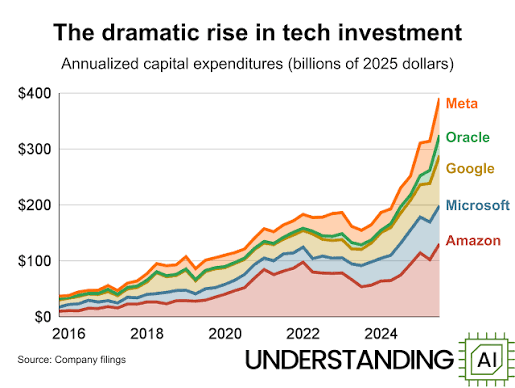
The factor that’s enabled the extraordinary success and longevity of the AI bubble has been the willingness of the markets to finance it. What happens if the liquidity machine driving AI were to suddenly stop? As the limits of bond markets, private credit, and using insurance companies to park risk, become increasingly apparent – what would a liquidity event do to current markets? Ouch!
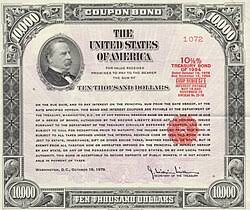
The real strength of the US economy is not its military or the dollar’s exorbitant privilege, but the depth of its capital markets - which have financed the most successful economy in history. The risk is not how large the US deficit is, but how sustainable are America’s capital markets to mounting fiscal pressures, market shifts and geopolitical forces?

Markets are all-a-wobble as the AI revolution morphs from a picks and shovels Klondike into a “who is going to make most money” proposition. About time. Who will be the winners and losers in the long-term. In the short-term there is going to be pain and losses as the current high-water retreats.

The UK has 6 relatively new “mega” Local Government Pension Schemes. They are investing in the UK and globally. But are they focused on the right things? Less than 10% of their significant PE assets are managed by UK based firms. They are giving their money to US firms – further deepening the negative feedback loop diminishing UK capital markets.
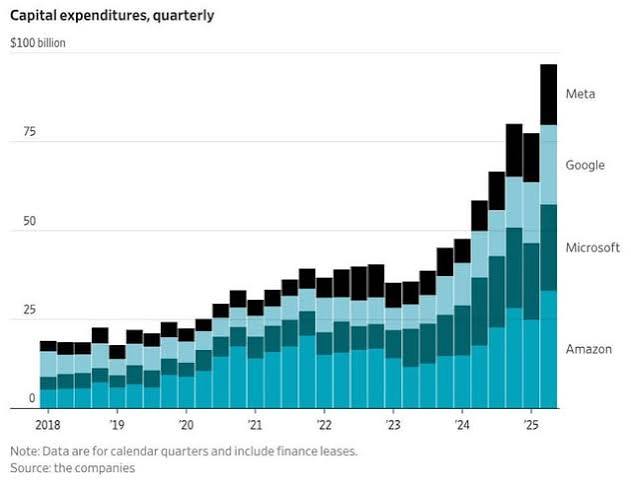
It’s a wake up and smell the coffee sort of morning in the AI markets. AI is here to stay. Everyone is using it. Why are prices tanking? It’s about competition, adoption and data sovereignty. Maybe it’s time for a rethink? How did it get so huge so fast? That’s a question about overly cheap liquidity and speculation, which is why Tesla’s numbers are so interesting.

In the past 15 years the US economy has left Europe in the rear-view mirror. While America booms, Europe appears to be flatlining. The question is why? Americans say it’s entirely Europe’s fault: bad policies, failing politics, and lack of unity. However, the consequences of the (as yet unresolved) European Sovereign debt crisis triggered by the Global Financial Crisis of 2008 was the speedbump.


Disclaimer
This publication is protected by US, UK and International Copyright laws. All rights reserved. No License is granted except for the subscriber’s personal use. Rights will be pursued.
The Morning Porridge is not investment advice. It is market commentary based on discussions and information gathered from multiple sources believed to be reliable. No guarantee is given for its accuracy or completeness. It is not an offer to buy, sell or solicit investments or securities. The author may have a position in companies or institutions discussed in this commentary.

If you want to know what’s really happening and why.. welcome to the Porridge.
Financial Market Insights for Thinkers!
© Morning Porridge | All Rights Reserved | Website Design & Support by Orange Pixel