

Robert Hillman is a highly experienced City Quant, with a legendary record. He’s also a great mate of Bill! He’s come up with a great analysis of the UK’s Triple Lock Pension policy – looking at it as an option... It's well worth reading if you want to figure out smart policy vs political games.
Yesterday UK premier Andy Burnham made clear the 15-year-old promise to keep rising the UK basic pension is going to change. The government will reinvest the cash it saves in a new national care service.

What should markets be thinking about Andy Burnham’s conference speech yesterday? Gilts look to be giving him the benefit of doubt. Good in parts? He spoke well, proposed some positive policies and ideas, and gave an impression of a confident, positive politician set to deliver. The real issue isn’t just can Labour hold the nation steady and reverse years of negativity and low growth, but can any of the other parties do any better given the constrained state of the national finances?

Global Bond yields remain… fragile. As the US breaches 5% 10-year yields, the UK is now slowing QT which should be market positive. It’s high time the Bank of England and the UK Treasury (which famously pretend the other doesn’t exist) cooperate on liability management to address the UK’s debt pile – which is actually in much better shape than the right-wing press would have you believe.

Markets tend to regard Populist Politics as a threat. They risk destabilisation, dent stability and raise questions about competency. Although Nigel Farage won the Clacton by-election, his brand is badly damaged and that puts Reform in trouble. The question is whether the traditional parties can regain electoral prominence and put in place the necessary policies to repair Broken Britain’s infrastructure and finances – and attract investment.

Fifty years of political dither leaves the UK looking broken. Faced with massive constrains from taxation and bond markets, there are limited choices from tinkering with spending while trying to look good enough ahead of the next election. Britain needs something more radical – and a complete reform of the system and process.

The UK’s long-delayed Defence Investment Plan was a final humiliation for Sir Keir Starmer as he struggled to gloss over the gaping defence funding gap. But it’s not how much is spent, but what it is spent on that matters. The frenetic pace of Mil-Tec evolution in the wake of the Ukraine War highlights how the next war will likely be fought. It’s time for a complete overhaul on the defence establishment’s approach to rearmament.

Andy Burnham, the UK Premier in waiting, has laid out his vision and plan for the UK. It didn’t scare the horses and contains some interesting ideas. What it didn’t answer about some of the big issues and “courageous” spending decisions is worrying. But the idea of moving the centre of UK political gravity out of London is inspired. Who knows… it might even work!
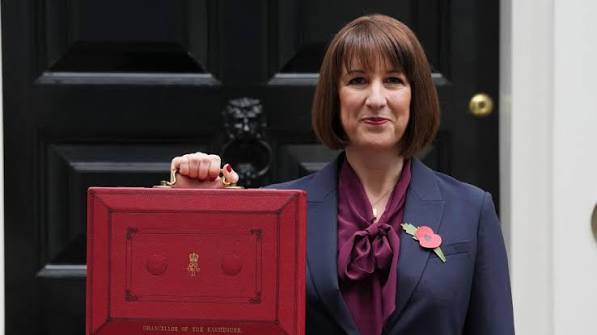
Andy Burnham promises the UK a national reboot. Critical to his success will be his choice of chancellor, and the relationship with the financial markets. Rachel Reeves is closely associated with the failed Starmer premiership – but she knows how to do the job and has credibility with the markets. With new leadership she could prove a much better choice than other contenders.

Poor old Sir Keir Starmer. Wrong man in the wrong job. So much hope now squandered. But its important not to over-think or over-worry what comes next. In Gilts there is truth and the 10-year yield is still south of 5%. Andy Burnham needs to prove himself a leader and demonstrate ideas and action. Is that too much to ask?

The UK’s Defence Investment Plan has been delayed yet again, mired in cabinet warfare on spending. The DIP will focus on big projects like a new fighter-jet but will make a nod to the lessons learnt in Ukraine. The big issue is how the defence industry will evolve away from Defence Primes towards financing the start-ups that can change the battlespace with new tech that is adaptable, available now, cheap and good-enough.

Disclaimer
This publication is protected by US, UK and International Copyright laws. All rights reserved. No License is granted except for the subscriber’s personal use. Rights will be pursued.
The Morning Porridge is not investment advice. It is market commentary based on discussions and information gathered from multiple sources believed to be reliable. No guarantee is given for its accuracy or completeness. It is not an offer to buy, sell or solicit investments or securities. The author may have a position in companies or institutions discussed in this commentary.

If you want to know what’s really happening and why.. welcome to the Porridge.
Financial Market Insights for Thinkers!
© Morning Porridge | All Rights Reserved | Website Design & Support by Orange Pixel