

Elon Musk is the richest man in history. With great wealth comes great power and influence. How wisely is Musk wielding that power? Switching off Starlink in Ukraine, threatening Europe with “devastating consequences” on satellite broadband, and whatever deals he doing on the regulation of his companies all beg closer examination. He raises questions about his accountability, and whose interests he serves.

It really does feel the Atlantic Ocean got much, much wider. As Europe struggles with riots and populism, financiers in the USA dismiss Yoorp as irrelevant, and think their economy is doing just great, fuelled by the AI boom and rising earnings. What they miss is the vulnerability of the economy to a debt shock and rising Treasury refinancing risk.
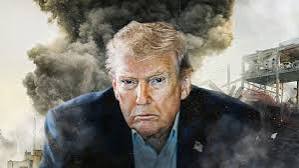
Ukraine was stabbed in the back yesterday. Its defenders found their access to Starshield and Intel on incoming missile strikes suddenly blocked. Trump is saying nothing – but it's increasingly clear the orders came from POTUS. Trump is furious that Zelensky refuses to surrender Ukraine to his good chum Putin. It represents a new nadir of the Trump presidency.

Should Donald Trump have won the Nobel Prize in Economics? His groundbreaking work on instability and unpredictability, and how naked greed and connections can drive economic growth and prosperity exposes the fundamental weakness of liberal, woke societies. Should economies be driven by innovation and productivity, or by political connections and favour?

Consequences spread like ripples on a pond. Trump lobbed the bloody great rock of the Iran War into the global economy earlier this year. Now the risks he raised are converging. Inflation, Rates, Trade, Geopolitics and Conflict were thrown into stark relief over the weekend as Trump further roiled markets, and climate risks will be extra spice. How this ends is unclear…
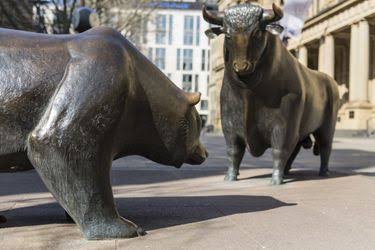
The equity rally to yet new all-time-highs feels unconvincing. Expectations of inflationary pressures easing and a return to upside growth are not shared by bond markets which are concerned at signals of higher borrowing costs as governments fail to rein in fiscal programmes. A fall in oil prices will help but won’t solve anything.

The threat list to markets has suddenly expanded – plague, protests and increasing signs the AI boom is a damp squib. However, Sporting Investment remains a hot sector – which may require some tweaking as the full implications of the Man City financial scandal emerge. Durable sporting value requires sound corporate governance, managing the money to ensure competitive integrity, a growing and excited audience, and a clear flow of players from the grass-roots to the big leagues.

This morning something different. A review of Robin Wigglesworth’s new book, A Fabulous Debt, on the history of the Bond Markets. Great read and absorbing. It’s a broad brush explaining how bonds have evolved and developed. Bond markets guide far more than just interest rates – they are power, political stability, and can drive market instability. In Bonds there is truth. The book leave interested readers wanting to know more in terms of the consequences of the Bond Markets and mechanisms.
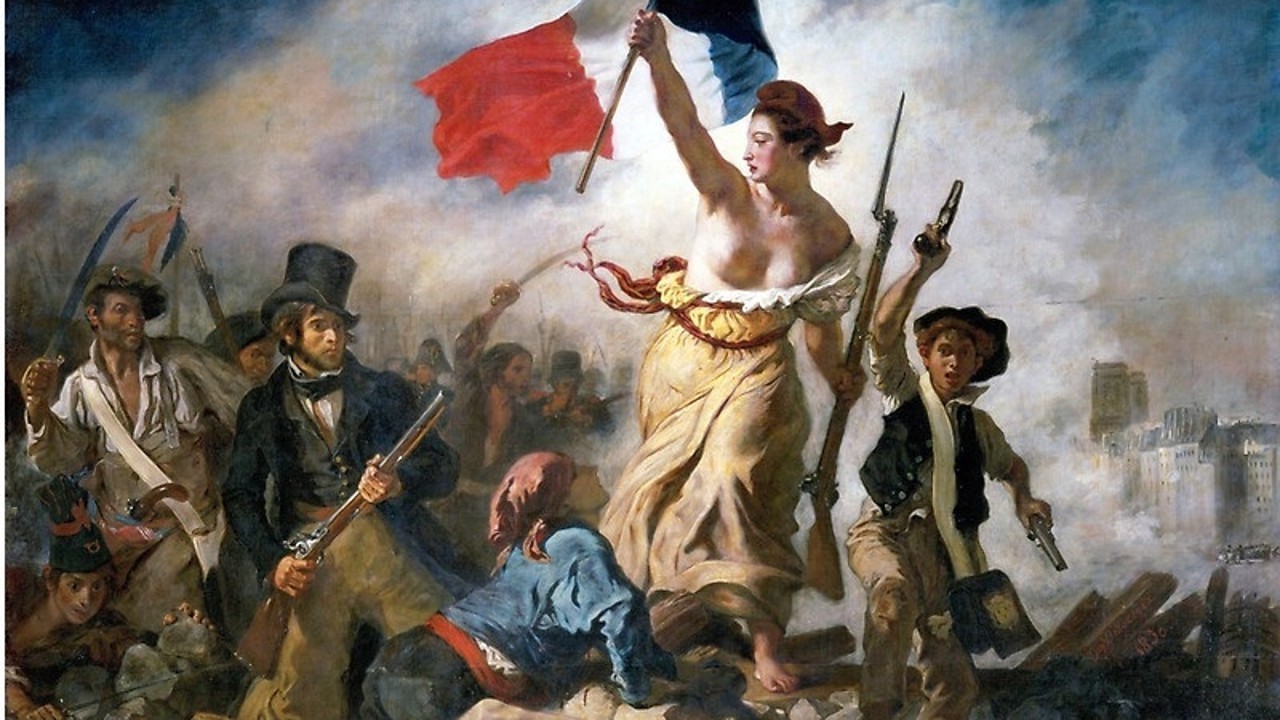
The French Bond market threatens to become a crisis as yields widen and its’ politics look increasingly a zero-sum game. While we’ve been watching the antics in DC and the price of oil due to Iran, we’ve missed how swiftly a new European debt crisis has been brewing. If it deepens, it won’t be a simple repeat of 2010-12, which nearly crushed banks and triggered defaults. Europe’s second largest economy in crisis, and dispute with Frankfurt, could trigger even more massive instabilities.

Defence has become the hot new sector, but investors need to understand the geopolitical reality, military requirements, the need for adaptation, and how the battlespace is changing. Defence needs to connect capital to warfighting capabilities that can be deployed now, adapted swiftly, and manufactured in unprecedented volume. The most effective way for the West to win is to demonstrate the will and ability to do so – which is the most likely way to deter our enemies from attacking.

Disclaimer
This publication is protected by US, UK and International Copyright laws. All rights reserved. No License is granted except for the subscriber’s personal use. Rights will be pursued.
The Morning Porridge is not investment advice. It is market commentary based on discussions and information gathered from multiple sources believed to be reliable. No guarantee is given for its accuracy or completeness. It is not an offer to buy, sell or solicit investments or securities. The author may have a position in companies or institutions discussed in this commentary.

If you want to know what’s really happening and why.. welcome to the Porridge.
Financial Market Insights for Thinkers!
© Morning Porridge | All Rights Reserved | Website Design & Support by Orange Pixel