

The Russians are masters of Maskirovka, the art of distraction, disinformation and misdirection. After sabotaging the transatlantic economy, the next stage is to destabilise Europe and break its resilience by fermenting social unrest, political conflict, and riots. The current waves of protest are likely to erupt across Europe with the potential of triggering a bond crisis, are deliberate and part of a hostile plan to remove Europe from the board.

French political instability and it’s looming fiscal crisis will distract and delay the European project of a shift towards “strategic unity” in the face of a) the immediate security threats from Russia, and b) the long-term geopolitical shift towards China at the end of the Transatlantic American age. How Europe responds to the growing French threat could determine its economic outlook for decades.

Consequences spread like ripples on a pond. Trump lobbed the bloody great rock of the Iran War into the global economy earlier this year. Now the risks he raised are converging. Inflation, Rates, Trade, Geopolitics and Conflict were thrown into stark relief over the weekend as Trump further roiled markets, and climate risks will be extra spice. How this ends is unclear…

Just how much money is the AI boom going to make? No one really knows, but everyone is placing their bets. AI dominates the stock markets, but is beginning to worry many investors in terms of likely returns. While AI technologies are changing the world, what we see today may not be what we get tomorrow if new technologies emerge, and the current valuation metrics change. AI may be distracting us from real economic impacts elsewhere – like shipping costs.

The equity rally to yet new all-time-highs feels unconvincing. Expectations of inflationary pressures easing and a return to upside growth are not shared by bond markets which are concerned at signals of higher borrowing costs as governments fail to rein in fiscal programmes. A fall in oil prices will help but won’t solve anything.

The threat list to markets has suddenly expanded – plague, protests and increasing signs the AI boom is a damp squib. However, Sporting Investment remains a hot sector – which may require some tweaking as the full implications of the Man City financial scandal emerge. Durable sporting value requires sound corporate governance, managing the money to ensure competitive integrity, a growing and excited audience, and a clear flow of players from the grass-roots to the big leagues.

This morning something different. A review of Robin Wigglesworth’s new book, A Fabulous Debt, on the history of the Bond Markets. Great read and absorbing. It’s a broad brush explaining how bonds have evolved and developed. Bond markets guide far more than just interest rates – they are power, political stability, and can drive market instability. In Bonds there is truth. The book leave interested readers wanting to know more in terms of the consequences of the Bond Markets and mechanisms.
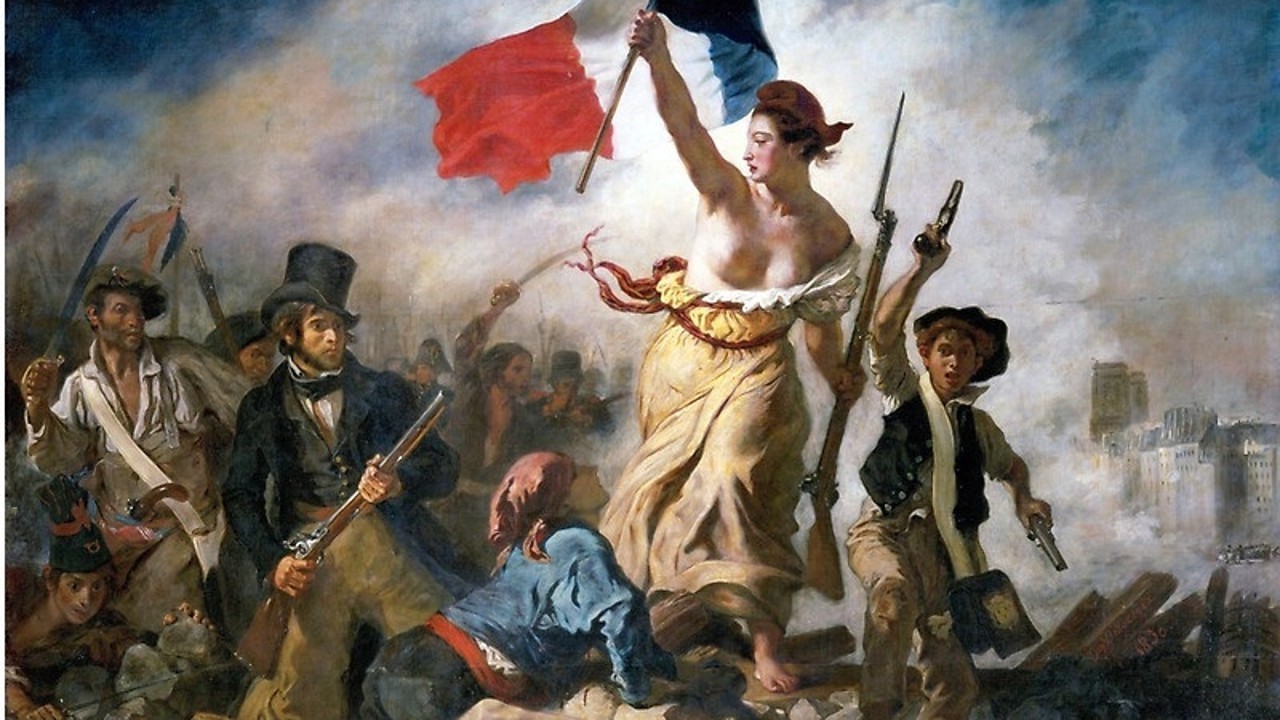
The French Bond market threatens to become a crisis as yields widen and its’ politics look increasingly a zero-sum game. While we’ve been watching the antics in DC and the price of oil due to Iran, we’ve missed how swiftly a new European debt crisis has been brewing. If it deepens, it won’t be a simple repeat of 2010-12, which nearly crushed banks and triggered defaults. Europe’s second largest economy in crisis, and dispute with Frankfurt, could trigger even more massive instabilities.

Defence has become the hot new sector, but investors need to understand the geopolitical reality, military requirements, the need for adaptation, and how the battlespace is changing. Defence needs to connect capital to warfighting capabilities that can be deployed now, adapted swiftly, and manufactured in unprecedented volume. The most effective way for the West to win is to demonstrate the will and ability to do so – which is the most likely way to deter our enemies from attacking.

Markets are worrying about a short-term interest-rate/inflation triggered correction, but something deeper may be approaching – a convergence between market, economic and political failures. It may be time to hedge against consensus expectations of “it will all be fine” and focus on factors like national resilience in terms of what nations thrive and which won’t!

Disclaimer
This publication is protected by US, UK and International Copyright laws. All rights reserved. No License is granted except for the subscriber’s personal use. Rights will be pursued.
The Morning Porridge is not investment advice. It is market commentary based on discussions and information gathered from multiple sources believed to be reliable. No guarantee is given for its accuracy or completeness. It is not an offer to buy, sell or solicit investments or securities. The author may have a position in companies or institutions discussed in this commentary.

If you want to know what’s really happening and why.. welcome to the Porridge.
Financial Market Insights for Thinkers!
© Morning Porridge | All Rights Reserved | Website Design & Support by Orange Pixel