

The Russians are masters of Maskirovka, the art of distraction, disinformation and misdirection. After sabotaging the transatlantic economy, the next stage is to destabilise Europe and break its resilience by fermenting social unrest, political conflict, and riots. The current waves of protest are likely to erupt across Europe with the potential of triggering a bond crisis, are deliberate and part of a hostile plan to remove Europe from the board.

Should Donald Trump have won the Nobel Prize in Economics? His groundbreaking work on instability and unpredictability, and how naked greed and connections can drive economic growth and prosperity exposes the fundamental weakness of liberal, woke societies. Should economies be driven by innovation and productivity, or by political connections and favour?

Consequences spread like ripples on a pond. Trump lobbed the bloody great rock of the Iran War into the global economy earlier this year. Now the risks he raised are converging. Inflation, Rates, Trade, Geopolitics and Conflict were thrown into stark relief over the weekend as Trump further roiled markets, and climate risks will be extra spice. How this ends is unclear…
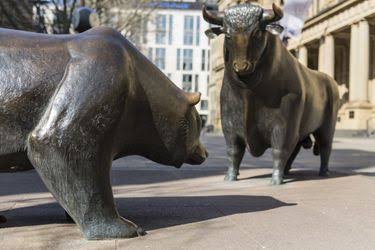
The equity rally to yet new all-time-highs feels unconvincing. Expectations of inflationary pressures easing and a return to upside growth are not shared by bond markets which are concerned at signals of higher borrowing costs as governments fail to rein in fiscal programmes. A fall in oil prices will help but won’t solve anything.
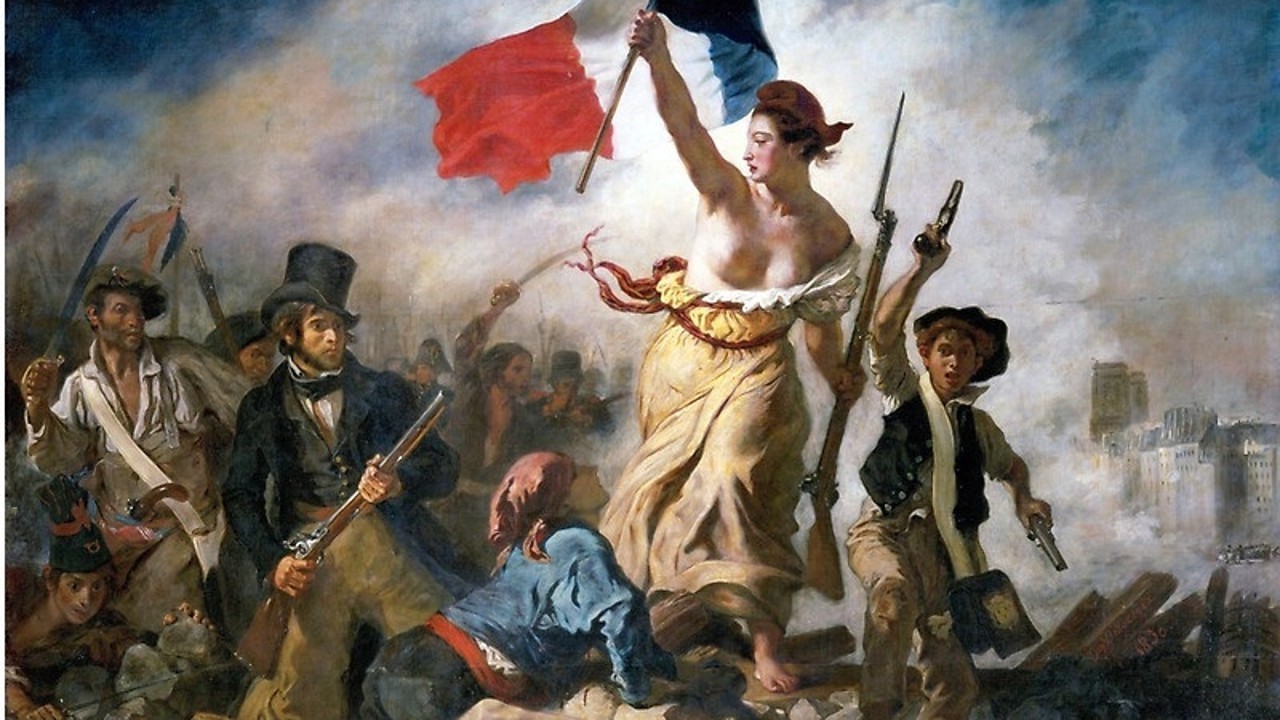
The French Bond market threatens to become a crisis as yields widen and its’ politics look increasingly a zero-sum game. While we’ve been watching the antics in DC and the price of oil due to Iran, we’ve missed how swiftly a new European debt crisis has been brewing. If it deepens, it won’t be a simple repeat of 2010-12, which nearly crushed banks and triggered defaults. Europe’s second largest economy in crisis, and dispute with Frankfurt, could trigger even more massive instabilities.

Markets are worrying about a short-term interest-rate/inflation triggered correction, but something deeper may be approaching – a convergence between market, economic and political failures. It may be time to hedge against consensus expectations of “it will all be fine” and focus on factors like national resilience in terms of what nations thrive and which won’t!

The current summit between Trump and Xi will likely become little more than a footnote in the history of the end of one economic empire and the emergence of the next. Xi has patience and has visited DC to let Trump do his thing, while he seeks time and stability to firmly establish China’s dominance. He is guided by the Sun Tzu dictum “Never interrupt your enemy while they are making mistakes.”

At the back of all traders and investors minds is the question: “just how bad might the US Midterms be?" Relax. Things are never as bad as we fear, (though seldom as good as we hope). The mid-terms will be consequential, and no matter what the result are unlikely to do much to reverse the long-term decline of the US Treasury Market – the single most important market on the planet.

Friday is the 25th anniversary of 9/11. It was the worst of days. It changed the World forever. How has it changed America and what are the risks it raises for the future? Who won? America is a great and powerful nation – but is going through a painful period. What did Osama Bin Laden’s carefully calculated terror do to America’s future? The scars run deep. Who won?
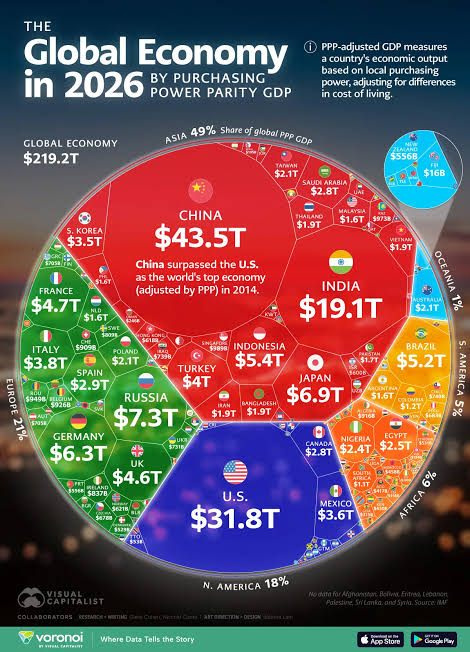
Is a financial crisis coming our way? US Debt, Inflation, Trade, Energy, AI concerns and the rest pushed the revealed wisdom of new Fed Head Kevin Warsh out the limelight last week. Bond yields continue to rise. There are now growing fears of slowdown, or worse. Cheer up! Not the end of the World. But if a financial crisis is coming it will reflect lessons from the past on liquidity, but to solve it we also must acknowledge how much the world has changed since the last one in 2008. This time it will be different!

Disclaimer
This publication is protected by US, UK and International Copyright laws. All rights reserved. No License is granted except for the subscriber’s personal use. Rights will be pursued.
The Morning Porridge is not investment advice. It is market commentary based on discussions and information gathered from multiple sources believed to be reliable. No guarantee is given for its accuracy or completeness. It is not an offer to buy, sell or solicit investments or securities. The author may have a position in companies or institutions discussed in this commentary.

If you want to know what’s really happening and why.. welcome to the Porridge.
Financial Market Insights for Thinkers!
© Morning Porridge | All Rights Reserved | Website Design & Support by Orange Pixel