

The media has us all convinced Western Economies are on the verge of a bond meltdown. However, what is really happening is The Great Bond Market Normalisation – a return to real interest rates that reflect the global economy and where nations are. The big risk is that repricing government bonds will crash currently absurd valuations across other financial assets – precipitating a wider market crisis.

This week is going to be… “interesting”. Confidence in the US financial markets and system is under pressure. The US owes more than $40 trillion. Bessent’s intervention in bond markets has backfired, the market is waiting to judge new Fed Head Kevin Warsh, and Trump has kicked off a new trade war with Canada. The USA’s Virtuous Sovereign Trinity of the Dollar, the Treasury Market, and Political Competency looks well-wobbly. Meanwhile, the latest documentary on Boeing shows how the myth of US exceptionalism is under pressure.

In the past 15 years the US economy has left Europe in the rear-view mirror. While America booms, Europe appears to be flatlining. The question is why? Americans say it’s entirely Europe’s fault: bad policies, failing politics, and lack of unity. However, the consequences of the (as yet unresolved) European Sovereign debt crisis triggered by the Global Financial Crisis of 2008 was the speedbump.

You can’t keep a good market down. New record US levels seem to occur daily. But, why? The underlying picture of the US economy is not weak, but the political structures around it seem to be fraying. What might give and trigger the kind of reversal many expect, or might we get a more fundamental reassessment of what the USA will look like post-Trump?
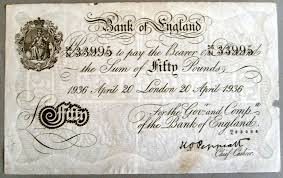
In Bonds there is truth. While government bond yields have risen some 40-50 basis points since the Iran War, and yield curves have steepened, we are not in crisis territory yet. However, the risks of “higher for longer” rates, and sustained inflation have risen. These will impact credit markets and potentially trigger a cascading corporate crisis – leading to all kinds of hell that governments and central banks are now ill-equipped to deal with.
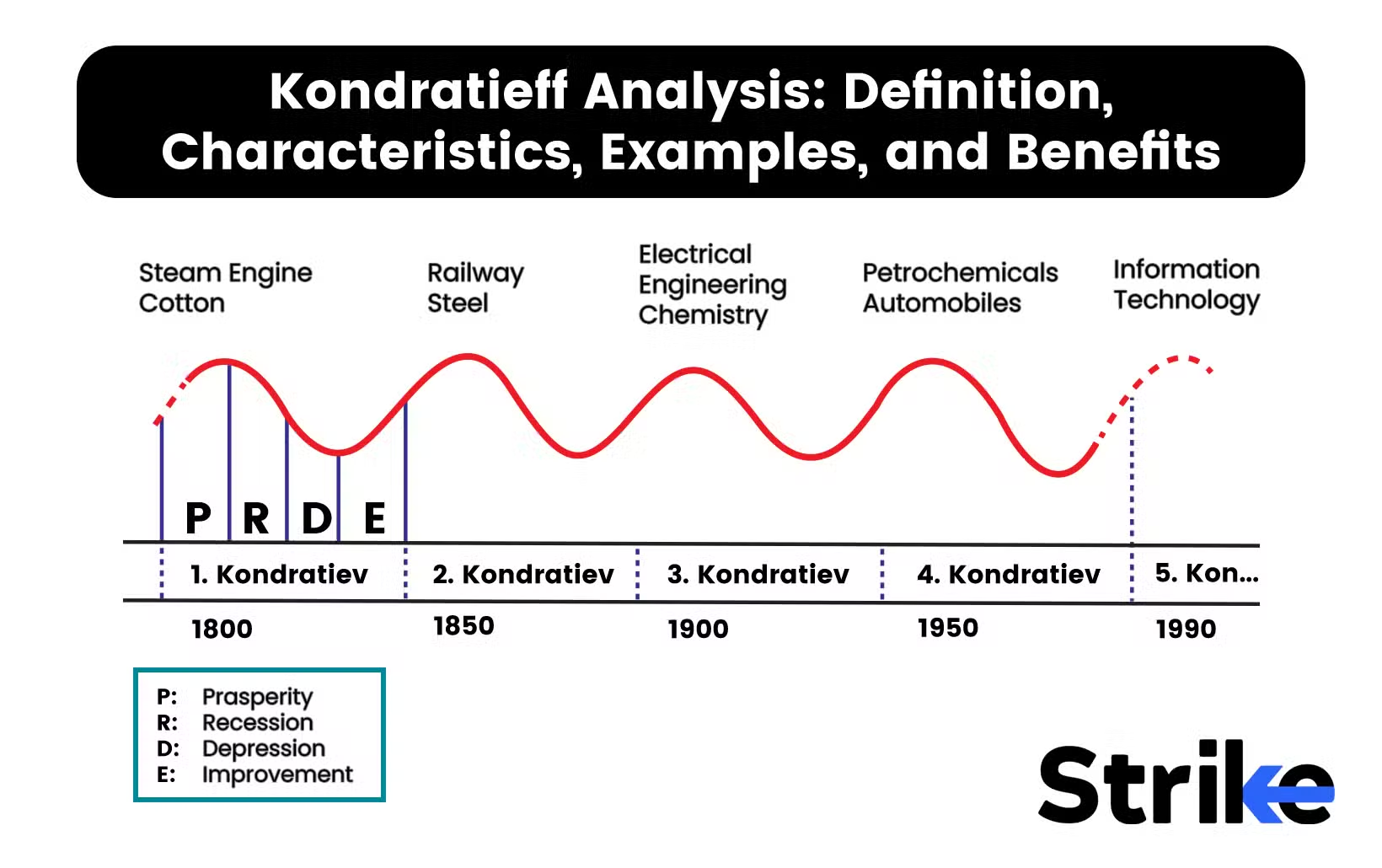
The markets are on a tear convinced normalisation is around the next corner. Yet they ignore the reality the Iran war has done significant damage to the global outlook – even if Tehran and Washington kiss and make up tomorrow. I don’t claim to understand the madness of markets and their ability to keep fooling themselves, but I do follow economic history and how events change outcomes.

We think we know the patterns – how markets resonate and repeat. But…. Do we? Every so often the Earth’s polarity shifts – but its never happened in recorded history so we don’t really know. Every so often the World’s basis changes. Make merry while we can. Enjoy what is real. The rest is just numbers. You are measured not by the digits on your bank balance, but by the numbers of your friends.

Suddenly global markets are reeling – waking up to the reality of the unwinnable Iran War. What will a dramatic shift in sentiment mean for stocks, bonds and commodities as stagflation beckons, and Trump finds himself isolated? There is a growing risk of a liquidity shock to global markets.

As the US and Israel attack Iran, confirming the Fire Horse threat of escalating conflict risks, do we also face a second social threat from AI triggering widespread social and wealth-inequality protests? Does 2026 risk becoming a double whammy hit on market sentiment and confidence?

Just how thick is the ice? Everything juddered last week – from AI to perceptions of Geopolitics. There are so many take aways. Are markets vulnerable to an AI/Credit Cascade event? How vulnerable are The Middle Nations (J-CAKE). China is a rising risk. Just how well will the USA handle a crisis? Is it time to exit Gold? But go where?


Disclaimer
This publication is protected by US, UK and International Copyright laws. All rights reserved. No License is granted except for the subscriber’s personal use. Rights will be pursued.
The Morning Porridge is not investment advice. It is market commentary based on discussions and information gathered from multiple sources believed to be reliable. No guarantee is given for its accuracy or completeness. It is not an offer to buy, sell or solicit investments or securities. The author may have a position in companies or institutions discussed in this commentary.

If you want to know what’s really happening and why.. welcome to the Porridge.
Financial Market Insights for Thinkers!
© Morning Porridge | All Rights Reserved | Website Design & Support by Orange Pixel