

If there is a 10% chance AI is going to kill us all, then that’s probably bad news for bond markets. There are a lots of things that threaten us, but fortunately most of them are quite unlikely. A 1 in 10 chance we’re all toast is not. Global markets will probably choose to look the other way, but how would your own investment decisions change if you knew the Terminator is about to knock on the door?

Friday is the 25th anniversary of 9/11. It was the worst of days. It changed the World forever. How has it changed America and what are the risks it raises for the future? Who won? America is a great and powerful nation – but is going through a painful period. What did Osama Bin Laden’s carefully calculated terror do to America’s future? The scars run deep. Who won?

Tensions between Moscow and Europe are rising. There are rumours of war. While Western nations seek to rearm and adopt the lessons learnt by Ukraine, a bubble has developed in Mil-Tec arounds autonomy and drones. Defence investment is not a speculative opportunity – but a key issue for the sustainability and longevity of nations. It’s a complex investment landscape that requires specialist expert knowledge.

The Chinese will be delighted. Western Economies are increasingly polarised and fractured. The US president calls anyone opposing him a “Communist”. The Right Wing threatens mass deportations, while the new emerging Populist Left is demanding redistribution and equality. Destabilising Western Democracies through fake news and disinformation is destroying the resilience of nations to resist. How should markets react?

19 months of Donald J Trump have been extraordinary – the unravelling of alliances, the forever war with Iran, and the belated discovery that financial clout doesn’t translate into geopolitical power. While the Mid-terms may make Trump a lame-duck, the consequences of Trump will hamstring the USA for decades and colour a new economic reality.

2026 looks likely to be the warmest year ever. Oceans are charged with energy to drive ever larger storm systems. Wildfires and droughts are ravaging the land. What if this is only the beginning? What if the climate is about to stage a chaotic breakout? Just how resilient will humanity be to a war with an implacable enemy that will give no quarter? What might it mean for the economy?

The UK has 6 relatively new “mega” Local Government Pension Schemes. They are investing in the UK and globally. But are they focused on the right things? Less than 10% of their significant PE assets are managed by UK based firms. They are giving their money to US firms – further deepening the negative feedback loop diminishing UK capital markets.
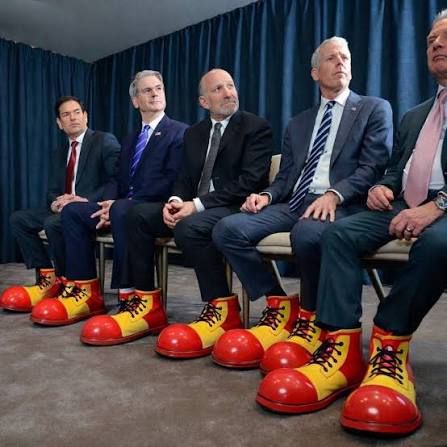
NATO has been the core of the Western Alliance and Transatlantic Economy. The men in the ill-fitting Florsheim dress shoes have broken it. What will follow is uncertain, but will clearly impact global markets and geopolitics to an enormous degree. The deepening Atlantic rift puts the need for European defence, sovereignty and resilience right at the top of the priority list.

The UK’s long-delayed Defence Investment Plan was a final humiliation for Sir Keir Starmer as he struggled to gloss over the gaping defence funding gap. But it’s not how much is spent, but what it is spent on that matters. The frenetic pace of Mil-Tec evolution in the wake of the Ukraine War highlights how the next war will likely be fought. It’s time for a complete overhaul on the defence establishment’s approach to rearmament.

What is the point of the G7 meetings? The issues are clear: growth, defence, security and future threats – like the developing El-Nino. Instead, the leaders dance around the Orange Man, ignoring the fragmentation around them. If we are going to put Europe on track we have to identify the problems and address them at root. Capital Markets and Defence are examples of where it’s gone wrong – and we have solutions!

Disclaimer
This publication is protected by US, UK and International Copyright laws. All rights reserved. No License is granted except for the subscriber’s personal use. Rights will be pursued.
The Morning Porridge is not investment advice. It is market commentary based on discussions and information gathered from multiple sources believed to be reliable. No guarantee is given for its accuracy or completeness. It is not an offer to buy, sell or solicit investments or securities. The author may have a position in companies or institutions discussed in this commentary.

If you want to know what’s really happening and why.. welcome to the Porridge.
Financial Market Insights for Thinkers!
© Morning Porridge | All Rights Reserved | Website Design & Support by Orange Pixel