
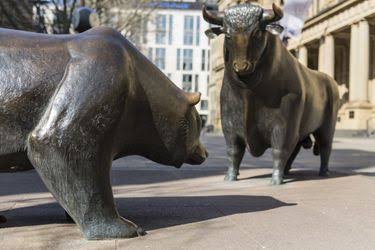
The equity rally to yet new all-time-highs feels unconvincing. Expectations of inflationary pressures easing and a return to upside growth are not shared by bond markets which are concerned at signals of higher borrowing costs as governments fail to rein in fiscal programmes. A fall in oil prices will help but won’t solve anything.

Markets are worrying about a short-term interest-rate/inflation triggered correction, but something deeper may be approaching – a convergence between market, economic and political failures. It may be time to hedge against consensus expectations of “it will all be fine” and focus on factors like national resilience in terms of what nations thrive and which won’t!

The coming year is likely to be shaped by higher inflation from energy and El Nino, rising interest rates, “policy-mistake” risks, and revaluation risks as capital markets adapt to rate normalisation. Looming over it all be political noise. Understanding where we are, how we got here and what happens next will be critical.

Narratives are what drive stock markets. Robots are seen as a massive multi-trillion-dollar Total Addressable Market – with strategic and social implications that will utterly change economies. Musk expects to sell millions every year. The reality is likely to be very different – robotics and society will evolve and probably end up unlike anything we envisage today.
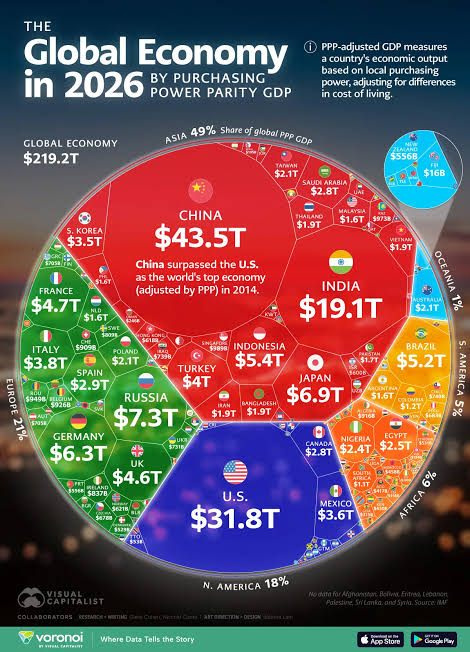
Is a financial crisis coming our way? US Debt, Inflation, Trade, Energy, AI concerns and the rest pushed the revealed wisdom of new Fed Head Kevin Warsh out the limelight last week. Bond yields continue to rise. There are now growing fears of slowdown, or worse. Cheer up! Not the end of the World. But if a financial crisis is coming it will reflect lessons from the past on liquidity, but to solve it we also must acknowledge how much the world has changed since the last one in 2008. This time it will be different!

One rule of finance is “follow the money”. The ructions and rising doubts on the sustainability of the US Treasury Market and dollar in the evolving post-US era economy means it may be time for investment transition strategies – where will the future lie? What aspects of US and other Western Democracies will thrive, and how much more investible will China and, perhaps, India become? What are the risks?
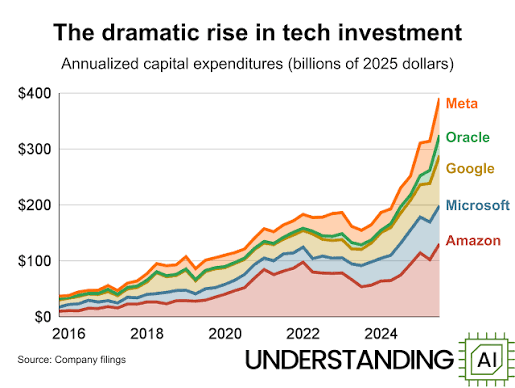
The factor that’s enabled the extraordinary success and longevity of the AI bubble has been the willingness of the markets to finance it. What happens if the liquidity machine driving AI were to suddenly stop? As the limits of bond markets, private credit, and using insurance companies to park risk, become increasingly apparent – what would a liquidity event do to current markets? Ouch!
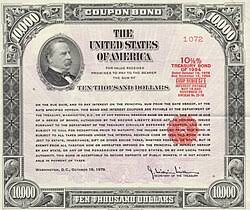
The real strength of the US economy is not its military or the dollar’s exorbitant privilege, but the depth of its capital markets - which have financed the most successful economy in history. The risk is not how large the US deficit is, but how sustainable are America’s capital markets to mounting fiscal pressures, market shifts and geopolitical forces?
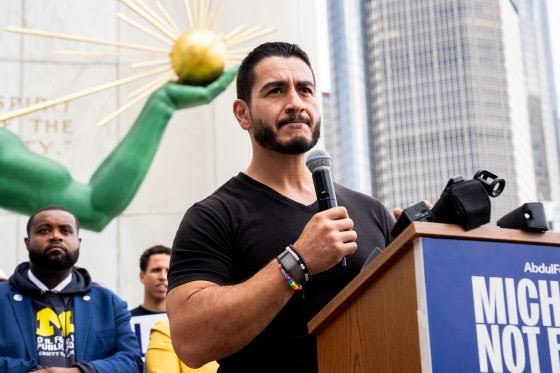
The tide of American Politics has turned dramatically extreme in recent days. The narrative is no longer about why Trump is haemorrhaging electoral support but has shifted to whether the Democrats can unite to win the Midterms in November and present a credible challenge to Trump’s MAGA successor in the 2028 presidential election. The coming gladiatorial contest between Right and Left populists will be watched closely by concerned global investors.

Markets are all-a-wobble as the AI revolution morphs from a picks and shovels Klondike into a “who is going to make most money” proposition. About time. Who will be the winners and losers in the long-term. In the short-term there is going to be pain and losses as the current high-water retreats.


Disclaimer
This publication is protected by US, UK and International Copyright laws. All rights reserved. No License is granted except for the subscriber’s personal use. Rights will be pursued.
The Morning Porridge is not investment advice. It is market commentary based on discussions and information gathered from multiple sources believed to be reliable. No guarantee is given for its accuracy or completeness. It is not an offer to buy, sell or solicit investments or securities. The author may have a position in companies or institutions discussed in this commentary.

If you want to know what’s really happening and why.. welcome to the Porridge.
Financial Market Insights for Thinkers!
© Morning Porridge | All Rights Reserved | Website Design & Support by Orange Pixel