

Narratives are what drive stock markets. Robots are seen as a massive multi-trillion-dollar Total Addressable Market – with strategic and social implications that will utterly change economies. Musk expects to sell millions every year. The reality is likely to be very different – robotics and society will evolve and probably end up unlike anything we envisage today.
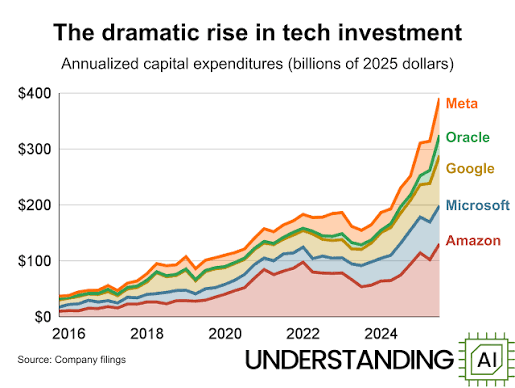
The factor that’s enabled the extraordinary success and longevity of the AI bubble has been the willingness of the markets to finance it. What happens if the liquidity machine driving AI were to suddenly stop? As the limits of bond markets, private credit, and using insurance companies to park risk, become increasingly apparent – what would a liquidity event do to current markets? Ouch!
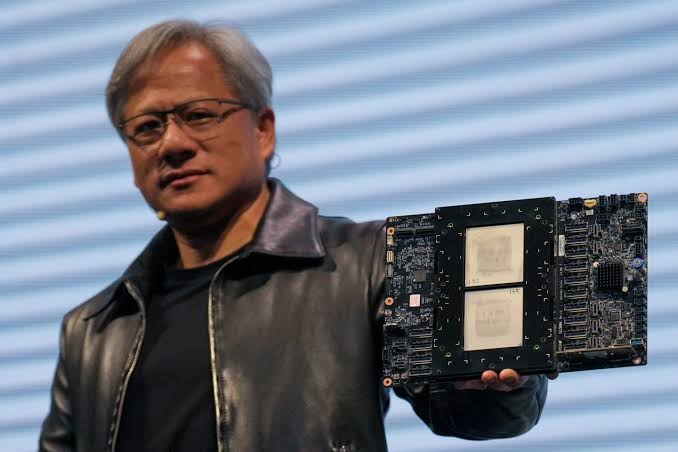
The AI infrastructure build out already dominates credit market funding. Now Nvidia will effectively securitise its chips to its market though a panel of private capital markets firms that lend it credibility. The worry is complex and appealing deal structures will simply hide the risks inherent in AI – and increase the likelihood of a correlated crash when something inevitably breaks.

Markets are all-a-wobble as the AI revolution morphs from a picks and shovels Klondike into a “who is going to make most money” proposition. About time. Who will be the winners and losers in the long-term. In the short-term there is going to be pain and losses as the current high-water retreats.
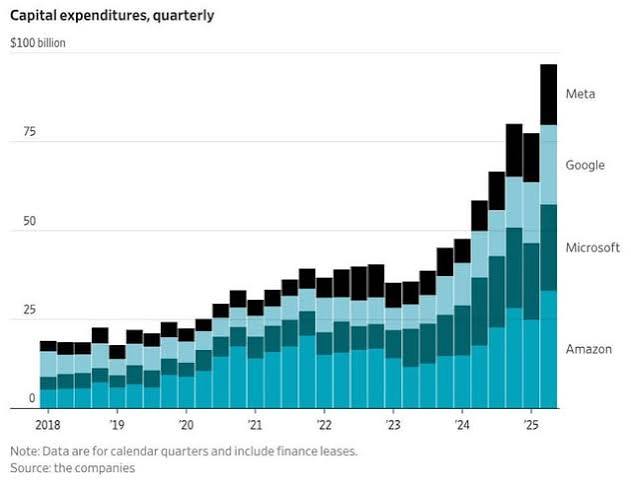
It’s a wake up and smell the coffee sort of morning in the AI markets. AI is here to stay. Everyone is using it. Why are prices tanking? It’s about competition, adoption and data sovereignty. Maybe it’s time for a rethink? How did it get so huge so fast? That’s a question about overly cheap liquidity and speculation, which is why Tesla’s numbers are so interesting.

The AI market has been diving business expectations and markets – everyone believes it will deliver a growth, productivity and profit revolution across the global economy. What if it doesn’t? What if it’s not a leap forward, but just a step-change?

Are we about to have an Emperor’s New Clothes moment and a return to sane valuations? The Tech markets create enormous real value and growth across economies, but like every other bubble in financial history they are hyped to high heaven. In the short run there is money to be made playing the game. In the long run; what is real and what is not matters. The trick is to exit the short-term game before the long run outcomes are apparent to everyone.

There were a number of “Moments” over the Weekend. A Peace Deal in the Gulf was inevitable – but we will see energy supply chains slowly normalise and lower inflationary expectations. Equally important is the US Government switching off Anthropic’s most powerful AI models. Collectively, these two events could have enormous consequences in terms of global power and hegemony.

The AI revolution is very real, but the froth around its valuations is not. The real value of AI won’t be in how hyperscalers establish themselves to “rent” us AI services, but how the real economy reacts to the opportunity, and smart firms learn to innovate it to make their businesses better and more profitable. The real upside is immense.

The Pope has published an Encyclical warning on the risks of an ill-considered rush towards AI. It comes at a time when AI is driving the markets, and AI leaders are whispering in Trump’s ear that regulation will destroy America’s lead. It’s not just the risk we will be turned to grey gloop by AI overlords, but how jobs, the economy, inequality and social equality are at all in play.


Disclaimer
This publication is protected by US, UK and International Copyright laws. All rights reserved. No License is granted except for the subscriber’s personal use. Rights will be pursued.
The Morning Porridge is not investment advice. It is market commentary based on discussions and information gathered from multiple sources believed to be reliable. No guarantee is given for its accuracy or completeness. It is not an offer to buy, sell or solicit investments or securities. The author may have a position in companies or institutions discussed in this commentary.

If you want to know what’s really happening and why.. welcome to the Porridge.
Financial Market Insights for Thinkers!
© Morning Porridge | All Rights Reserved | Website Design & Support by Orange Pixel