

This morning something different. A review of Robin Wigglesworth’s new book, A Fabulous Debt, on the history of the Bond Markets. Great read and absorbing. It’s a broad brush explaining how bonds have evolved and developed. Bond markets guide far more than just interest rates – they are power, political stability, and can drive market instability. In Bonds there is truth. The book leave interested readers wanting to know more in terms of the consequences of the Bond Markets and mechanisms.

In Bond Markets there is truth – and they are flashing warning signals a systemic market reset is on the cards. As rates rise, the relative prices of all financial assets will be impacted as the price of money normalises. It’s a period of transition with a high chance of an unstable reset, which is magnified by QE setting a false expectation of long-term low rates, and the growing realisation financial systems will suffer from political incompetence.

Global Bond yields remain… fragile. As the US breaches 5% 10-year yields, the UK is now slowing QT which should be market positive. It’s high time the Bank of England and the UK Treasury (which famously pretend the other doesn’t exist) cooperate on liability management to address the UK’s debt pile – which is actually in much better shape than the right-wing press would have you believe.

The media has us all convinced Western Economies are on the verge of a bond meltdown. However, what is really happening is The Great Bond Market Normalisation – a return to real interest rates that reflect the global economy and where nations are. The big risk is that repricing government bonds will crash currently absurd valuations across other financial assets – precipitating a wider market crisis.

With US debt about the breach $40 trillion, Scotty Bessent intervened to stem rising long-end yields. The market loved it, but the reality is that distorting interest rates has all kinds of consequences. That includes the risk an economy focused entirely on financial returns isn’t spotting or addressing real world threats to jobs, growth, conflict, the environment and climate. Maybe it’s time to let rates normalise?

The AI infrastructure build out already dominates credit market funding. Now Nvidia will effectively securitise its chips to its market though a panel of private capital markets firms that lend it credibility. The worry is complex and appealing deal structures will simply hide the risks inherent in AI – and increase the likelihood of a correlated crash when something inevitably breaks.
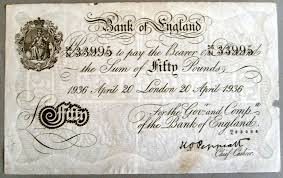
In Bonds there is truth. While government bond yields have risen some 40-50 basis points since the Iran War, and yield curves have steepened, we are not in crisis territory yet. However, the risks of “higher for longer” rates, and sustained inflation have risen. These will impact credit markets and potentially trigger a cascading corporate crisis – leading to all kinds of hell that governments and central banks are now ill-equipped to deal with.

Why are markets so high when the global outlook, trade and domestic politics look so vulnerable? Is it because investors perceive that corporates hold such power in the economy, they now set the agenda? What the global economy may need is a reset, but at present there are few signs the problem of power and wealth inequality will be reversed or addressed.

Damn the torpedoes! Full steam ahead. The recent 10-year Gilt auction was a screaming success. There is plenty of demand at the right yield – 5% for 10 years! The cost of servicing debt is high, but to create growth the government needs to fix the economy by borrowing more. Global investors know that when assessing the UK’s yield premium. The UK would do better to borrow more rather than less!

Did someone say Century Bond? What’s not to like about the bond market? Rates are going to fall! Everyone wants to buy credit (at historically tight spreads) and the biggest most successful firms on the planet are paying 70 cents over Treasuries for your money! What could possibly go wrong?

Disclaimer
This publication is protected by US, UK and International Copyright laws. All rights reserved. No License is granted except for the subscriber’s personal use. Rights will be pursued.
The Morning Porridge is not investment advice. It is market commentary based on discussions and information gathered from multiple sources believed to be reliable. No guarantee is given for its accuracy or completeness. It is not an offer to buy, sell or solicit investments or securities. The author may have a position in companies or institutions discussed in this commentary.

If you want to know what’s really happening and why.. welcome to the Porridge.
Financial Market Insights for Thinkers!
© Morning Porridge | All Rights Reserved | Website Design & Support by Orange Pixel