

Blain’s Morning Porridge June 14th 2024: Musk Promises us Replicants! [...]

Next week I will be either stuck in the queues at Heathrow, or sailing round Greece. Time to unwind and think about the state of the World. Or… maybe not ruin my break by scaring myself! Some thoughts on Global Macro.

The US economy looks strong, robust and resilient. Investors are pouring billions into stock trackers believing it’s all rosy upside ahead. Under the surface there is enormous stress as consumers, corporates, banks and the government struggle with debt and its consequences. If something snaps….
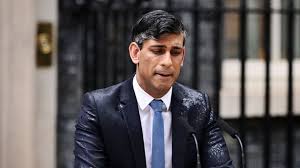
The UK’s snap General Election will be one of the most significant on record. At stake is restoring the UK's reputation for political competency. It will be required to address the massive challenge on the economic horizon: the threat of galloping wage demands and stagflation while trying to repair Broken Britain.

Markets act like rate cuts are already done. Froth rules. The reality is a mis-aligned global economy struggling with multiple consequences from the last 15 years. The real economy is about supply, and China is critical to that argument.

Markets fear instability above all else. Financial crashes happen. Spectacular gains are followed by dramatic losses. Market foundations are strong, based on the truth of bond markets. What might happen if investors lose their confidence in bonds?

The UK’s general election will be the most critical moment in UK politics in decades. The key point will be for prospective new Chancellor Rachel Reeves to persuade global markets the UK is investible. She needs to be absolutely clear on her plans and engagement.
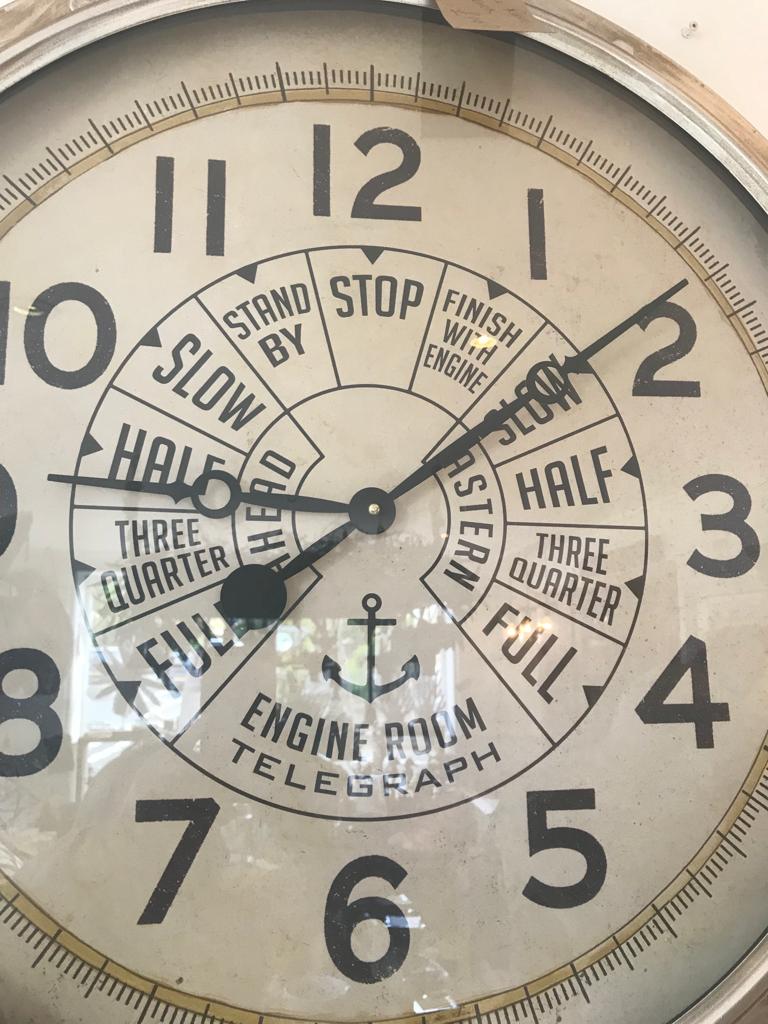
This is the outline of a talk I've been giving in recent months on the dangers of ignoring the behavioural lessons from the QE Era as policy makers get ready for the inevitable next financial crisis. The great thing about financial crises is there will always be another one - no point panicking today when you'll get to panic again tomorrow!

Whatever the Fed says or does today, markets have reached a cusp. How will they adjust to the reality of new higher, normalised interest rates: throw their toys out the pram, or acknowledge higher rates are the building blocks of a stronger economy?

Markets should be relieved at the US reaching a bipartisan deal on Ukraine and Israel, but will likely be fixated on the current stock market wobble – which could turn sour. The real issue is how the weekend US deal clearly focuses the US vs China, and that has massive market and economic implications.

Disclaimer
This publication is protected by US, UK and International Copyright laws. All rights reserved. No License is granted except for the subscriber’s personal use. Rights will be pursued.
The Morning Porridge is not investment advice. It is market commentary based on discussions and information gathered from multiple sources believed to be reliable. No guarantee is given for its accuracy or completeness. It is not an offer to buy, sell or solicit investments or securities. The author may have a position in companies or institutions discussed in this commentary.

If you want to know what’s really happening and why.. welcome to the Porridge.
Financial Market Insights for Thinkers!
© Morning Porridge | All Rights Reserved | Website Design & Support by Orange Pixel