

It really does feel the Atlantic Ocean got much, much wider. As Europe struggles with riots and populism, financiers in the USA dismiss Yoorp as irrelevant, and think their economy is doing just great, fuelled by the AI boom and rising earnings. What they miss is the vulnerability of the economy to a debt shock and rising Treasury refinancing risk.

The Russians are masters of Maskirovka, the art of distraction, disinformation and misdirection. After sabotaging the transatlantic economy, the next stage is to destabilise Europe and break its resilience by fermenting social unrest, political conflict, and riots. The current waves of protest are likely to erupt across Europe with the potential of triggering a bond crisis, are deliberate and part of a hostile plan to remove Europe from the board.

French political instability and it’s looming fiscal crisis will distract and delay the European project of a shift towards “strategic unity” in the face of a) the immediate security threats from Russia, and b) the long-term geopolitical shift towards China at the end of the Transatlantic American age. How Europe responds to the growing French threat could determine its economic outlook for decades.

The French Bond market threatens to become a crisis as yields widen and its’ politics look increasingly a zero-sum game. While we’ve been watching the antics in DC and the price of oil due to Iran, we’ve missed how swiftly a new European debt crisis has been brewing. If it deepens, it won’t be a simple repeat of 2010-12, which nearly crushed banks and triggered defaults. Europe’s second largest economy in crisis, and dispute with Frankfurt, could trigger even more massive instabilities.
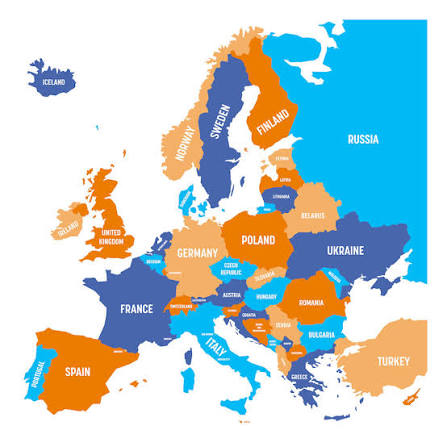
Europe is a diverse, culturally rich and fascinating continent but increasingly looks an economic basket case facing economic and demographic decline. Its suffering economic PTSD after successive shocks in Banking, Sovereign Debt and now Energy. Now it’s being squeezed between an unreliable USA and China’s proxy, Russia. Maybe that’s the challenge it needs?

One rule of finance is “follow the money”. The ructions and rising doubts on the sustainability of the US Treasury Market and dollar in the evolving post-US era economy means it may be time for investment transition strategies – where will the future lie? What aspects of US and other Western Democracies will thrive, and how much more investible will China and, perhaps, India become? What are the risks?

In the past 15 years the US economy has left Europe in the rear-view mirror. While America booms, Europe appears to be flatlining. The question is why? Americans say it’s entirely Europe’s fault: bad policies, failing politics, and lack of unity. However, the consequences of the (as yet unresolved) European Sovereign debt crisis triggered by the Global Financial Crisis of 2008 was the speedbump.

England will take a confidence boost from the World Cup win vs Mexico. The Russians will be furious – their war plan requires The West’s resilience and pride is weakened through disinformation and instability. Countering Cognitive Warfare requires the acknowledgement it’s happening, that we fight it, and acknowledge our strengths and weaknesses, and that unity wins!

Viktor Orban was a curious beast. A pragmatist and a populist who tried to play off Moscow, Washington and Brussels. Hungary is not yet solved, but it could be a transformational moment for Europe in terms of Populism and Unity.

There is something deeply unstable underlying current markets. They don’t feel right. Something has changed. What could it be? It’s likely to be how Trump’s misjudgements in Iran and over NATO have reset expectations and accelerated the end of the American Age. The implications are huge.


Disclaimer
This publication is protected by US, UK and International Copyright laws. All rights reserved. No License is granted except for the subscriber’s personal use. Rights will be pursued.
The Morning Porridge is not investment advice. It is market commentary based on discussions and information gathered from multiple sources believed to be reliable. No guarantee is given for its accuracy or completeness. It is not an offer to buy, sell or solicit investments or securities. The author may have a position in companies or institutions discussed in this commentary.

If you want to know what’s really happening and why.. welcome to the Porridge.
Financial Market Insights for Thinkers!
© Morning Porridge | All Rights Reserved | Website Design & Support by Orange Pixel