

UK Defence Minister John Healey’s resignation over the dearth of defence funding this morning will throw UK defence into turmoil and further undermine the flolloping Starmer Government. Gilts spiked higher on the news.

The UK’s Defence Investment Plan has been delayed yet again, mired in cabinet warfare on spending. The DIP will focus on big projects like a new fighter-jet but will make a nod to the lessons learnt in Ukraine. The big issue is how the defence industry will evolve away from Defence Primes towards financing the start-ups that can change the battlespace with new tech that is adaptable, available now, cheap and good-enough.

You can’t keep a good market down. New record US levels seem to occur daily. But, why? The underlying picture of the US economy is not weak, but the political structures around it seem to be fraying. What might give and trigger the kind of reversal many expect, or might we get a more fundamental reassessment of what the USA will look like post-Trump?

Investing in defence was a sadly neglected skillset for many years following the end of the Cold War. Defence primes became utility like seeking to preserve margins as real budgets declined on the peace-dividend. The War in Ukraine has highlighted many things, but critically that what the Primes are selling isn’t what’s going to win the next War. To invest in defence – you need insights into the future of the battlespace.
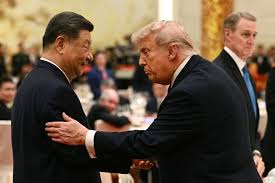
Trump has told us how fantastic the Beijing summit was – but what is the truth? China and the US agreeing on trade and growth over conflict is positive. They will remain polite to each other, but the struggle for hegemonic power will continue. Xi may be betting the state of the US economy, and the mistakes in Iran, means Trump will become less relevant from November.

Trump is running out of options over Iran. Bluff and Bluster won’t fix it. When he visits Beijing this week, he will be up against Emperor Xi – who holds all the cards; sufficient oil reserves, dominance over global supply chains, and critically the ability to shut off the single most important commodity in the world today – Chips.

Today is the 81st anniversary of VE Day – the end of the Second World War in Europe. Markets are fixated on rising stock prices and probably won’t notice. Complacency is the danger. The Wars in Ukraine and Iran highlight success and failure and point towards a very different future world than the expected one. There are massive implications for markets – but that’s a tomorrow problem for markets focused on “now”.

Defence is among the most difficult areas to invest. Who would become an analyst after 30-years as a Cinderella sector in the wake of ESG and peace dividends? Now, the imperative for new defence investment is crying out for private capital. That puts a clear premium on knowledge, contacts and skill to invest. Here is a solution.

We think we know the patterns – how markets resonate and repeat. But…. Do we? Every so often the Earth’s polarity shifts – but its never happened in recorded history so we don’t really know. Every so often the World’s basis changes. Make merry while we can. Enjoy what is real. The rest is just numbers. You are measured not by the digits on your bank balance, but by the numbers of your friends.

The cost of Trump’s War on Iran is extraordinary - $1 bln a day plus. War Stocks are being consumed at incredible speed. A request for an additional $200 bln of funding is in the works. The nature of war has changed – it could prove phenomenally destructive, expensive and ruinous to winners and losers alike. Meanwhile the economic outcomes of the war remain in the balance.

Disclaimer
This publication is protected by US, UK and International Copyright laws. All rights reserved. No License is granted except for the subscriber’s personal use. Rights will be pursued.
The Morning Porridge is not investment advice. It is market commentary based on discussions and information gathered from multiple sources believed to be reliable. No guarantee is given for its accuracy or completeness. It is not an offer to buy, sell or solicit investments or securities. The author may have a position in companies or institutions discussed in this commentary.

If you want to know what’s really happening and why.. welcome to the Porridge.
Financial Market Insights for Thinkers!
© Morning Porridge | All Rights Reserved | Website Design & Support by Orange Pixel