

2026 has been an interesting year thus far. A number of themes including AI, Geopolitics, Debt and Innovation have driven the flow of markets, which have very high upside expectations and few worries about downside risks. I would remind readers of Blain Mantra No 1: “The markets have but one objective: to inflict the maximum amount of pain on the maximum number of participants”. Hey-Ho, and on we go...

What is the point of the G7 meetings? The issues are clear: growth, defence, security and future threats – like the developing El-Nino. Instead, the leaders dance around the Orange Man, ignoring the fragmentation around them. If we are going to put Europe on track we have to identify the problems and address them at root. Capital Markets and Defence are examples of where it’s gone wrong – and we have solutions!

The Russians are deliberately provoking the UK in the English Channel – seeking to demonstrate that “Broken Britain” lacks the will, the resources and resilience to rebuild itself. The imminent Nationalisation of failing water utility Thames Water highlights how decisions made decades ago have had consequences that are costing the nation dear today.

Stock Markets partied higher yesterday, utterly unbothered by the optics of the Iran Deal. Bond markets look at the long-term risks – wondering what the consequences of the Iran war might trigger in the coming years when today’s new bonds are set to repay. Traders will be trying to figure out what a new world will look like, and just how sustainable US Bonds markets might be as the global economy shifts.

There were a number of “Moments” over the Weekend. A Peace Deal in the Gulf was inevitable – but we will see energy supply chains slowly normalise and lower inflationary expectations. Equally important is the US Government switching off Anthropic’s most powerful AI models. Collectively, these two events could have enormous consequences in terms of global power and hegemony.

You can’t keep a good market down. New record US levels seem to occur daily. But, why? The underlying picture of the US economy is not weak, but the political structures around it seem to be fraying. What might give and trigger the kind of reversal many expect, or might we get a more fundamental reassessment of what the USA will look like post-Trump?
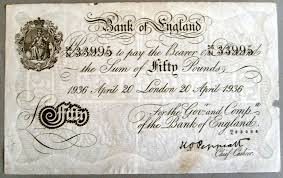
In Bonds there is truth. While government bond yields have risen some 40-50 basis points since the Iran War, and yield curves have steepened, we are not in crisis territory yet. However, the risks of “higher for longer” rates, and sustained inflation have risen. These will impact credit markets and potentially trigger a cascading corporate crisis – leading to all kinds of hell that governments and central banks are now ill-equipped to deal with.
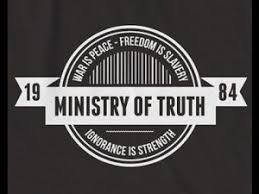
To understand markets and the economy you need to understand how it really works; the where, what, when, why and how of the frictions that make for imperfect markets interreact. That includes politics. But trying to explain these factors is now subject to Social Media censorship – the reality is a distributed Ministry of Truth straight out of 1984. Social media now determines who can talk about markets and what they can say. Referring to incompetent politics gets you banished to the outer limits of conspiracy finance!
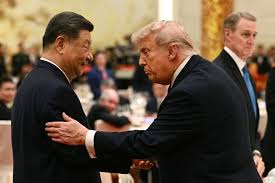
Trump has told us how fantastic the Beijing summit was – but what is the truth? China and the US agreeing on trade and growth over conflict is positive. They will remain polite to each other, but the struggle for hegemonic power will continue. Xi may be betting the state of the US economy, and the mistakes in Iran, means Trump will become less relevant from November.

Trump is running out of options over Iran. Bluff and Bluster won’t fix it. When he visits Beijing this week, he will be up against Emperor Xi – who holds all the cards; sufficient oil reserves, dominance over global supply chains, and critically the ability to shut off the single most important commodity in the world today – Chips.

Disclaimer
This publication is protected by US, UK and International Copyright laws. All rights reserved. No License is granted except for the subscriber’s personal use. Rights will be pursued.
The Morning Porridge is not investment advice. It is market commentary based on discussions and information gathered from multiple sources believed to be reliable. No guarantee is given for its accuracy or completeness. It is not an offer to buy, sell or solicit investments or securities. The author may have a position in companies or institutions discussed in this commentary.

If you want to know what’s really happening and why.. welcome to the Porridge.
Financial Market Insights for Thinkers!
© Morning Porridge | All Rights Reserved | Website Design & Support by Orange Pixel