
Trump is the most unrestrained US president – yet is supported by the richest and most successful men in America even as we watch him upend everything the USA once stood for. What if Trump is just the front-man for a Regime that is changing the World - breaking traditional relationships and alliances to create a stronger America as China threatens to supersede it? Europe is struggling with the new rules of America’s primacy, the end of the Nato Era, the emergence of a new American hemisphere, and how nations should relate to the new Imperial USA. How these will all play in the Great Game to be Global Hegemon is as yet unclear, but the world is changing fast.

Trump is running out of options over Iran. Bluff and Bluster won’t fix it. When he visits Beijing this week, he will be up against Emperor Xi – who holds all the cards; sufficient oil reserves, dominance over global supply chains, and critically the ability to shut off the single most important commodity in the world today – Chips.
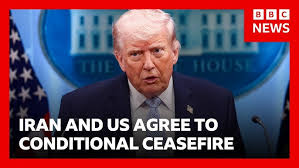
Trump took the Off-Ramp. Markets are soaring, off to the races as the threats of global slowdown, recession and stagflation recede. But, for all the military power and competency on display – it’s a strategic defeat for the USA. That has massive implications for US Assets – Treasuries, Stocks, Investment, Market Confidence and Politics.
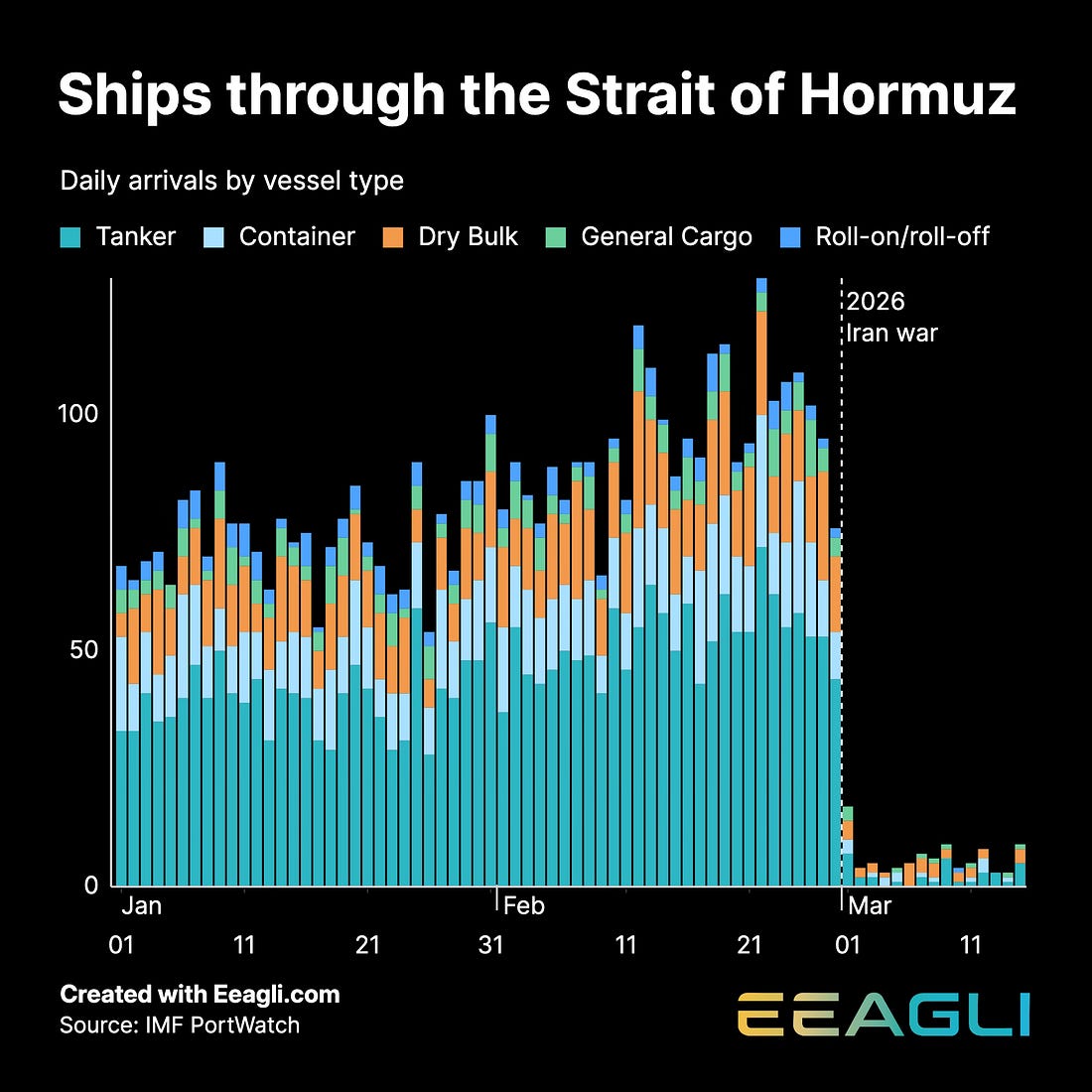
The global economy is inevitably slowing from the deepening Hormuz oil shock. The Americans intend to press on despite the rising costs. While the global economy burns, President Trump is mulling multiple plans to achieve his version of victory. The rest of the World is waking to the reality this war is damaging their economic interests, and wondering how to mitigate the effects.
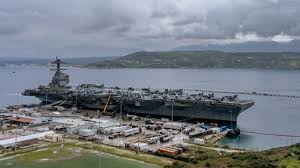
The cost of Trump’s War on Iran is extraordinary - $1 bln a day plus. War Stocks are being consumed at incredible speed. A request for an additional $200 bln of funding is in the works. The nature of war has changed – it could prove phenomenally destructive, expensive and ruinous to winners and losers alike. Meanwhile the economic outcomes of the war remain in the balance.

The War in Iran is a kinetic feature of the economic/hegemonic struggle between the USA and China. President Trump will lose because his Iran war is unwinnable. Iran won’t lose because it does doesn’t have to win. That’s a recipe for a forever war, and a definition of asymmetric warfare. The likely winner of a wider Economic War will be China. Energy and Supply Chains will determine the future.
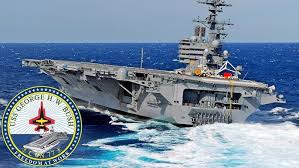
Pretty much as was expected Donald Trump has declared his war almost over. Its not. It has destabilised the global economy. What might be roiled in its wake? One area to watch is how a liquidity default-storm in Private Credit could infect global bond and equity markets, causing a global market crisis.

Global disruption – how likely is it to end quickly? Trump’s objective was to install a regime that will do his bidding in Iran. The appointment of Khamenei v2.0, the lack of a clear opposition, or defectors, makes a swift closure increasingly less likely. Global markets are pricing for a long, destabilising war with rising inflationary and geopolitical volatility.
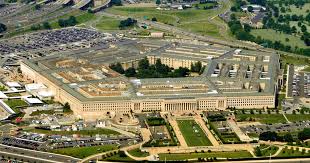
Up, down, shake it all about. Current markets are driven by short-term rumour and sigh about what Trump might do or say next on tariffs. However, the real threats are longer-term – how the global economy is increasingly vulnerable not just to trade and economics, but also the growing weakness and unravelling of US military might. The implications for global security could change everything.

I’m delighted to announce we’ve signed an agreement in Cairo to build a new $7 bln private sector petrochemicals plant in Egypt, a development that could herald a new era of economic growth and the emergence of the future Middle Sea economy for the Middle East, Europe and North Africa.

Disclaimer
This publication is protected by US, UK and International Copyright laws. All rights reserved. No License is granted except for the subscriber’s personal use. Rights will be pursued.
The Morning Porridge is not investment advice. It is market commentary based on discussions and information gathered from multiple sources believed to be reliable. No guarantee is given for its accuracy or completeness. It is not an offer to buy, sell or solicit investments or securities. The author may have a position in companies or institutions discussed in this commentary.

If you want to know what’s really happening and why.. welcome to the Porridge.
Financial Market Insights for Thinkers!
© Morning Porridge | All Rights Reserved | Website Design & Support by Orange Pixel