
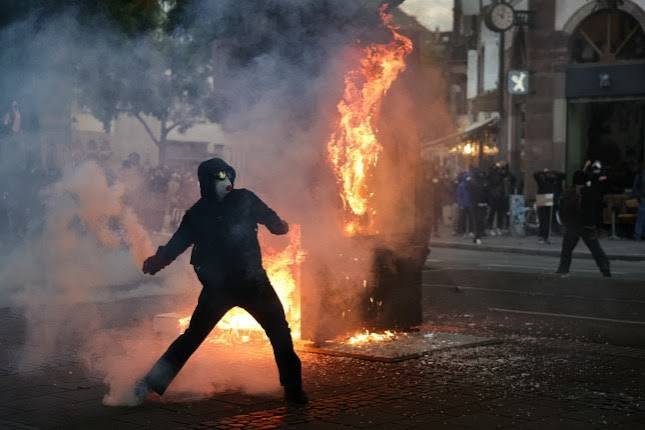
Rising market instability looks inevitable as the AI meltdown, the US Midterms and European political riots, and the geopolitical risks from the US vs China hegemonic challenge reach crisis points concurrently. It’s a classic Three Body Problem – making it almost impossible to logically predict what happens next. Sit back and watch for the opportunities – they will emerge, but not where you expect them.

Defence has become the hot new sector, but investors need to understand the geopolitical reality, military requirements, the need for adaptation, and how the battlespace is changing. Defence needs to connect capital to warfighting capabilities that can be deployed now, adapted swiftly, and manufactured in unprecedented volume. The most effective way for the West to win is to demonstrate the will and ability to do so – which is the most likely way to deter our enemies from attacking.

The current summit between Trump and Xi will likely become little more than a footnote in the history of the end of one economic empire and the emergence of the next. Xi has patience and has visited DC to let Trump do his thing, while he seeks time and stability to firmly establish China’s dominance. He is guided by the Sun Tzu dictum “Never interrupt your enemy while they are making mistakes.”
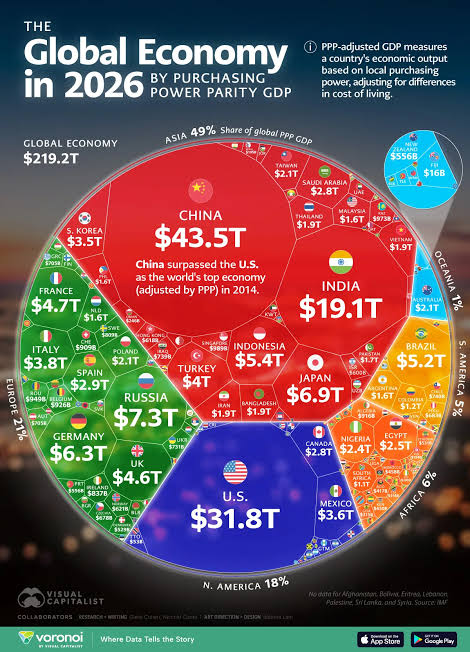
Is a financial crisis coming our way? US Debt, Inflation, Trade, Energy, AI concerns and the rest pushed the revealed wisdom of new Fed Head Kevin Warsh out the limelight last week. Bond yields continue to rise. There are now growing fears of slowdown, or worse. Cheer up! Not the end of the World. But if a financial crisis is coming it will reflect lessons from the past on liquidity, but to solve it we also must acknowledge how much the world has changed since the last one in 2008. This time it will be different!
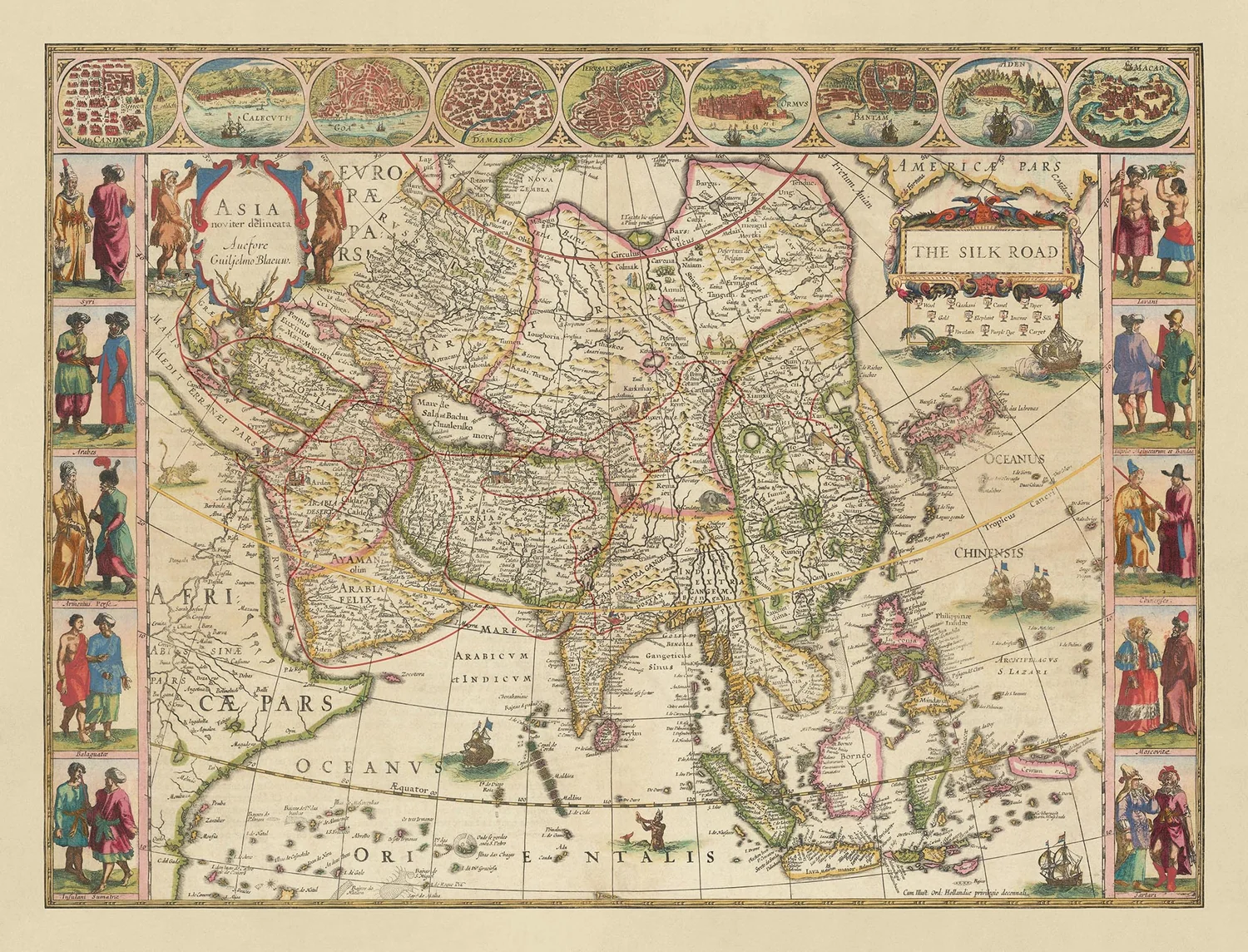
One rule of finance is “follow the money”. The ructions and rising doubts on the sustainability of the US Treasury Market and dollar in the evolving post-US era economy means it may be time for investment transition strategies – where will the future lie? What aspects of US and other Western Democracies will thrive, and how much more investible will China and, perhaps, India become? What are the risks?

The Chinese will be delighted. Western Economies are increasingly polarised and fractured. The US president calls anyone opposing him a “Communist”. The Right Wing threatens mass deportations, while the new emerging Populist Left is demanding redistribution and equality. Destabilising Western Democracies through fake news and disinformation is destroying the resilience of nations to resist. How should markets react?
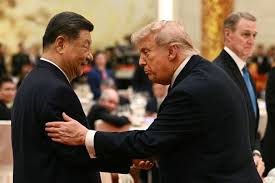
Trump has told us how fantastic the Beijing summit was – but what is the truth? China and the US agreeing on trade and growth over conflict is positive. They will remain polite to each other, but the struggle for hegemonic power will continue. Xi may be betting the state of the US economy, and the mistakes in Iran, means Trump will become less relevant from November.

The War in Iran is a kinetic feature of the economic/hegemonic struggle between the USA and China. President Trump will lose because his Iran war is unwinnable. Iran won’t lose because it does doesn’t have to win. That’s a recipe for a forever war, and a definition of asymmetric warfare. The likely winner of a wider Economic War will be China. Energy and Supply Chains will determine the future.

Markets aren’t much concerned about Iran. US Military might is expected to prevail, cowing the Ayatollahs into acceptance of Trump’s maximalist demands. What could possibly go wrong? Trump is no student of history, and may not understand the gamut of military, logistical and geopolitical risks aligned against him.

Gold surges through $5000 and markets remain distracted by the sturm et drang of words and events. The world is changing – but are we thinking about all the wrong things? The real issue for the future may be investment choices between authoritarian states vs nimble democratic nations.

Disclaimer
This publication is protected by US, UK and International Copyright laws. All rights reserved. No License is granted except for the subscriber’s personal use. Rights will be pursued.
The Morning Porridge is not investment advice. It is market commentary based on discussions and information gathered from multiple sources believed to be reliable. No guarantee is given for its accuracy or completeness. It is not an offer to buy, sell or solicit investments or securities. The author may have a position in companies or institutions discussed in this commentary.

If you want to know what’s really happening and why.. welcome to the Porridge.
Financial Market Insights for Thinkers!
© Morning Porridge | All Rights Reserved | Website Design & Support by Orange Pixel