

At the back of all traders and investors minds is the question: “just how bad might the US Midterms be?" Relax. Things are never as bad as we fear, (though seldom as good as we hope). The mid-terms will be consequential, and no matter what the result are unlikely to do much to reverse the long-term decline of the US Treasury Market – the single most important market on the planet.
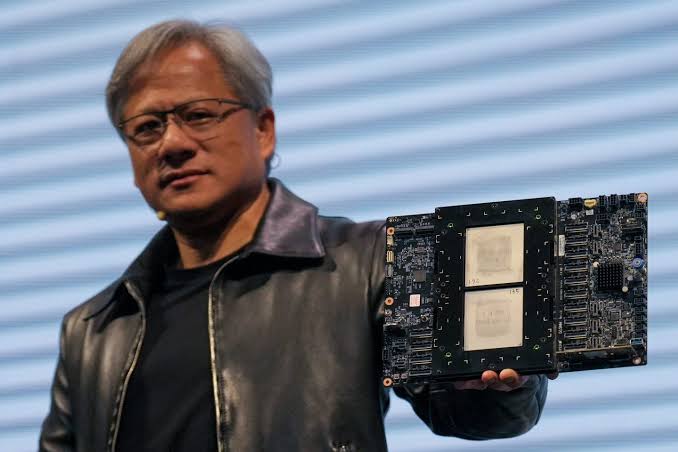
The AI infrastructure build out already dominates credit market funding. Now Nvidia will effectively securitise its chips to its market though a panel of private capital markets firms that lend it credibility. The worry is complex and appealing deal structures will simply hide the risks inherent in AI – and increase the likelihood of a correlated crash when something inevitably breaks.

Markets are less fragile than we think. There are always people watching, waiting and ready to catch bargains. Some risks are in plain sight. But in Private Capital Markets they are hidden – which is why many market players believe the scale of losses might be hidden. Will Private Markets trigger the next crisis? I doubt it.

When markets are hitting record highs is the time to be cautious, and ask why? US Stocks and Bonds are at record levels, despite the current uncertainties and policy instability. What’s driving it is a mix of themes, including market evolution. But also a market potentially complacent about approaching threats.

Sequels oft disappoint. Just how will the world change after Jan 20th 2025? Maybe not the way we expect. Meanwhile, the global Alternatives markets are becoming increasingly frothy as the big firms bid up for market expertise and scale. Does that suggest they might be missing something?

The amount of “dry powder” earmarked for the Alternatives Market is said to exceed $4 trillion. While the sector continues to attract new money, the competition for deals should be rising – in fact finding good deals is more difficult as economic conditions remain tight and impose funding discipline.

The UK’s FCA is considering “valuations” in the Private Capital sector. That triggers alarm bells. Bi-lateral private markets are an important part of the professional financial system, but fall outside traditional regulation. Is it time to bring them onside?

Disclaimer
This publication is protected by US, UK and International Copyright laws. All rights reserved. No License is granted except for the subscriber’s personal use. Rights will be pursued.
The Morning Porridge is not investment advice. It is market commentary based on discussions and information gathered from multiple sources believed to be reliable. No guarantee is given for its accuracy or completeness. It is not an offer to buy, sell or solicit investments or securities. The author may have a position in companies or institutions discussed in this commentary.

If you want to know what’s really happening and why.. welcome to the Porridge.
Financial Market Insights for Thinkers!
© Morning Porridge | All Rights Reserved | Website Design & Support by Orange Pixel