

Defence has become the hot new sector, but investors need to understand the geopolitical reality, military requirements, the need for adaptation, and how the battlespace is changing. Defence needs to connect capital to warfighting capabilities that can be deployed now, adapted swiftly, and manufactured in unprecedented volume. The most effective way for the West to win is to demonstrate the will and ability to do so – which is the most likely way to deter our enemies from attacking.

The Chinese will be delighted. Western Economies are increasingly polarised and fractured. The US president calls anyone opposing him a “Communist”. The Right Wing threatens mass deportations, while the new emerging Populist Left is demanding redistribution and equality. Destabilising Western Democracies through fake news and disinformation is destroying the resilience of nations to resist. How should markets react?

19 months of Donald J Trump have been extraordinary – the unravelling of alliances, the forever war with Iran, and the belated discovery that financial clout doesn’t translate into geopolitical power. While the Mid-terms may make Trump a lame-duck, the consequences of Trump will hamstring the USA for decades and colour a new economic reality.

NATO has been the core of the Western Alliance and Transatlantic Economy. The men in the ill-fitting Florsheim dress shoes have broken it. What will follow is uncertain, but will clearly impact global markets and geopolitics to an enormous degree. The deepening Atlantic rift puts the need for European defence, sovereignty and resilience right at the top of the priority list.

Poor old Sir Keir Starmer. Wrong man in the wrong job. So much hope now squandered. But its important not to over-think or over-worry what comes next. In Gilts there is truth and the 10-year yield is still south of 5%. Andy Burnham needs to prove himself a leader and demonstrate ideas and action. Is that too much to ask?

What is the point of the G7 meetings? The issues are clear: growth, defence, security and future threats – like the developing El-Nino. Instead, the leaders dance around the Orange Man, ignoring the fragmentation around them. If we are going to put Europe on track we have to identify the problems and address them at root. Capital Markets and Defence are examples of where it’s gone wrong – and we have solutions!

The UK’s Defence Investment Plan has been delayed yet again, mired in cabinet warfare on spending. The DIP will focus on big projects like a new fighter-jet but will make a nod to the lessons learnt in Ukraine. The big issue is how the defence industry will evolve away from Defence Primes towards financing the start-ups that can change the battlespace with new tech that is adaptable, available now, cheap and good-enough.
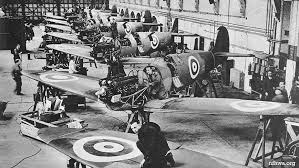
Investing in defence was a sadly neglected skillset for many years following the end of the Cold War. Defence primes became utility like seeking to preserve margins as real budgets declined on the peace-dividend. The War in Ukraine has highlighted many things, but critically that what the Primes are selling isn’t what’s going to win the next War. To invest in defence – you need insights into the future of the battlespace.

Defence is among the most difficult areas to invest. Who would become an analyst after 30-years as a Cinderella sector in the wake of ESG and peace dividends? Now, the imperative for new defence investment is crying out for private capital. That puts a clear premium on knowledge, contacts and skill to invest. Here is a solution.

The last two weeks have been fascinating. Iran increasingly looks a strategic blunder by Trump in the wider global hegemonic struggle between the USA and China. It increases the likelihood of instability, trade and economic disruption and the threat of kinetic conflict. Boy Scout time: Be Prepared.

Disclaimer
This publication is protected by US, UK and International Copyright laws. All rights reserved. No License is granted except for the subscriber’s personal use. Rights will be pursued.
The Morning Porridge is not investment advice. It is market commentary based on discussions and information gathered from multiple sources believed to be reliable. No guarantee is given for its accuracy or completeness. It is not an offer to buy, sell or solicit investments or securities. The author may have a position in companies or institutions discussed in this commentary.

If you want to know what’s really happening and why.. welcome to the Porridge.
Financial Market Insights for Thinkers!
© Morning Porridge | All Rights Reserved | Website Design & Support by Orange Pixel