
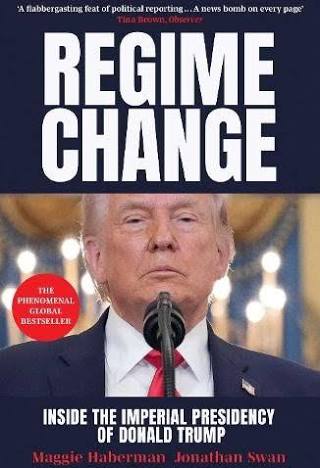
The next few months are going to get interesting as markets react to the ongoing mess that is the Gulf, rising oil prices, wobbling stocks, rising bond yields, broken supply chains, and the reassessment of the AI “revolution”. Meanwhile, the US political cycle goes into the Mid-Terms. I would suggest everyone reads Regime Change, the new book on Imperial Trump, to understand what the last 18 months has been about.
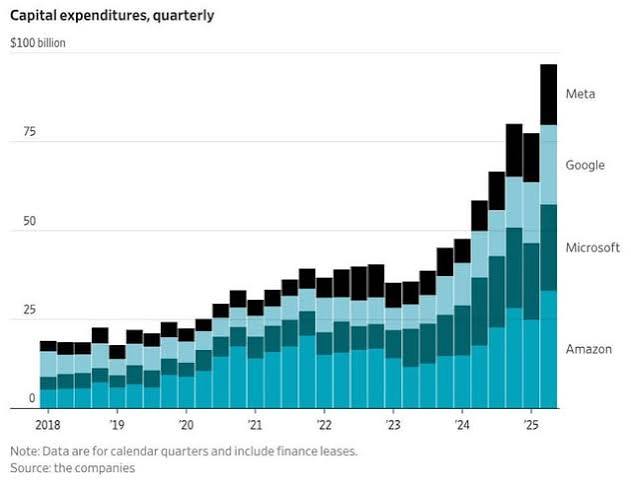
It’s a wake up and smell the coffee sort of morning in the AI markets. AI is here to stay. Everyone is using it. Why are prices tanking? It’s about competition, adoption and data sovereignty. Maybe it’s time for a rethink? How did it get so huge so fast? That’s a question about overly cheap liquidity and speculation, which is why Tesla’s numbers are so interesting.
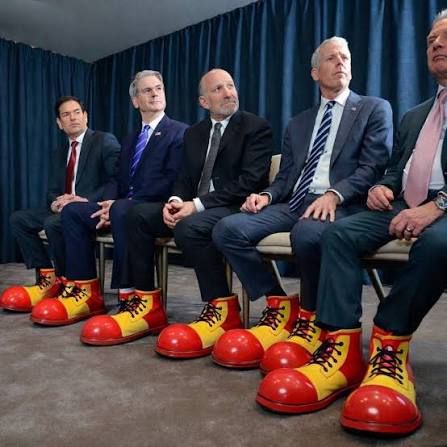
NATO has been the core of the Western Alliance and Transatlantic Economy. The men in the ill-fitting Florsheim dress shoes have broken it. What will follow is uncertain, but will clearly impact global markets and geopolitics to an enormous degree. The deepening Atlantic rift puts the need for European defence, sovereignty and resilience right at the top of the priority list.

The UK’s long-delayed Defence Investment Plan was a final humiliation for Sir Keir Starmer as he struggled to gloss over the gaping defence funding gap. But it’s not how much is spent, but what it is spent on that matters. The frenetic pace of Mil-Tec evolution in the wake of the Ukraine War highlights how the next war will likely be fought. It’s time for a complete overhaul on the defence establishment’s approach to rearmament.

2026 has been an interesting year thus far. A number of themes including AI, Geopolitics, Debt and Innovation have driven the flow of markets, which have very high upside expectations and few worries about downside risks. I would remind readers of Blain Mantra No 1: “The markets have but one objective: to inflict the maximum amount of pain on the maximum number of participants”. Hey-Ho, and on we go...

Andy Burnham, the UK Premier in waiting, has laid out his vision and plan for the UK. It didn’t scare the horses and contains some interesting ideas. What it didn’t answer about some of the big issues and “courageous” spending decisions is worrying. But the idea of moving the centre of UK political gravity out of London is inspired. Who knows… it might even work!
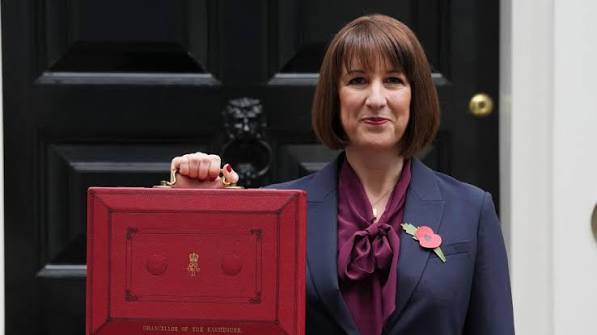
Andy Burnham promises the UK a national reboot. Critical to his success will be his choice of chancellor, and the relationship with the financial markets. Rachel Reeves is closely associated with the failed Starmer premiership – but she knows how to do the job and has credibility with the markets. With new leadership she could prove a much better choice than other contenders.

Poor old Sir Keir Starmer. Wrong man in the wrong job. So much hope now squandered. But its important not to over-think or over-worry what comes next. In Gilts there is truth and the 10-year yield is still south of 5%. Andy Burnham needs to prove himself a leader and demonstrate ideas and action. Is that too much to ask?

The UK’s Defence Investment Plan has been delayed yet again, mired in cabinet warfare on spending. The DIP will focus on big projects like a new fighter-jet but will make a nod to the lessons learnt in Ukraine. The big issue is how the defence industry will evolve away from Defence Primes towards financing the start-ups that can change the battlespace with new tech that is adaptable, available now, cheap and good-enough.

Western economies succeed because bond and stock markets work together. Bond markets enable governments to finance the optimal conditions for invention and innovation, enabling growth and prosperity. Sometimes Markets fall out of line, while Politics are ruled by votes rather than experience – and that’s where the wobbles start to multiply.

Disclaimer
This publication is protected by US, UK and International Copyright laws. All rights reserved. No License is granted except for the subscriber’s personal use. Rights will be pursued.
The Morning Porridge is not investment advice. It is market commentary based on discussions and information gathered from multiple sources believed to be reliable. No guarantee is given for its accuracy or completeness. It is not an offer to buy, sell or solicit investments or securities. The author may have a position in companies or institutions discussed in this commentary.

If you want to know what’s really happening and why.. welcome to the Porridge.
Financial Market Insights for Thinkers!
© Morning Porridge | All Rights Reserved | Website Design & Support by Orange Pixel